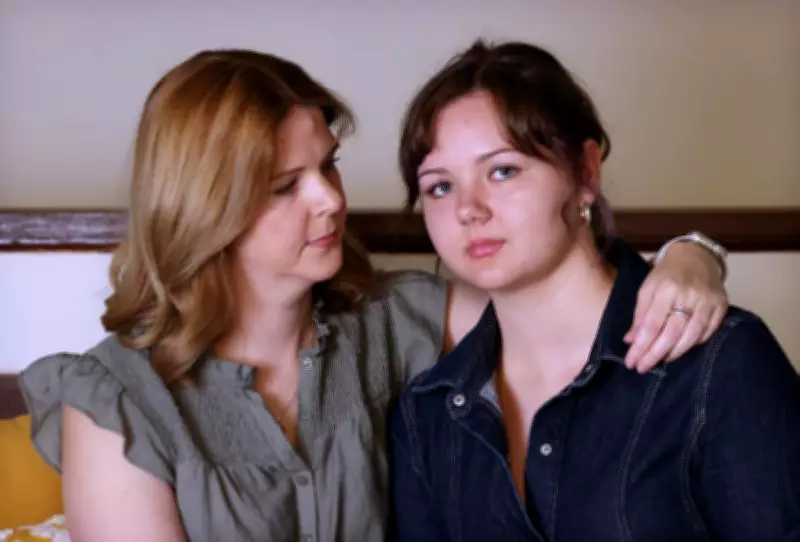
Growing Demand for Specialized Health Services for WA Childhood Cancer Survivors
In Western Australia, there is a mounting call for the establishment of dedicated health services specifically tailored for childhood cancer survivors. This push comes as survivors and their families highlight the critical need for ongoing medical support to address the long-term health complications that often arise after treatment.
Addressing Long-Term Health Challenges
Childhood cancer survivors frequently face a range of health issues long after their initial treatment has concluded. These can include heart problems, secondary cancers, and psychological effects such as anxiety and depression. Currently, many survivors in WA lack access to specialized follow-up care, leading to gaps in their healthcare journey.
Advocates argue that dedicated services would provide a comprehensive approach to monitoring and managing these conditions, ensuring survivors receive timely interventions and support. This could involve multidisciplinary teams including oncologists, cardiologists, and mental health professionals working together to create personalized care plans.

Community and Expert Support
The movement for improved services has gained traction among healthcare professionals, community groups, and survivors themselves. They emphasize that while survival rates for childhood cancers have improved significantly, the focus must now shift to quality of life and long-term well-being. Without proper follow-up, survivors may experience preventable health declines that impact their ability to lead full, productive lives.
In response, some stakeholders are calling for increased funding and policy changes to establish these services. They point to successful models in other states or countries where dedicated survivor clinics have led to better health outcomes and reduced long-term healthcare costs.
Potential Benefits and Future Steps
Implementing specialized health services for childhood cancer survivors in WA could offer numerous benefits:
- Improved Health Monitoring: Regular check-ups to detect and manage late effects early.
- Enhanced Support Networks: Connecting survivors with peers and resources to reduce isolation.
- Better Resource Allocation: Streamlining care to make it more efficient and effective.
Moving forward, advocates plan to continue lobbying government bodies and health authorities to prioritize this issue. They stress that investing in survivor care is not only a moral imperative but also a practical one, as it can prevent more serious health issues down the line and support survivors in contributing to society.
As the conversation grows, the hope is that WA will soon see the development of robust, dedicated health services to ensure that childhood cancer survivors receive the comprehensive care they deserve throughout their lives.