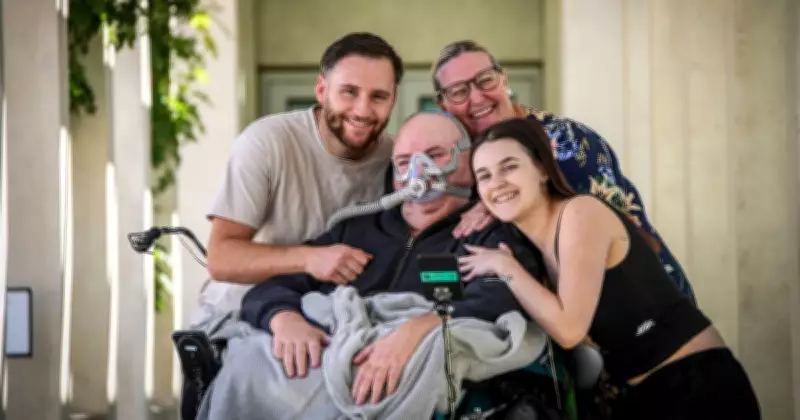
Voluntary Assisted Dying: A Vital Option for MND Sufferer Jason Smith
In a deeply personal account, Jason Smith, a man living with Motor Neurone Disease (MND), has come forward to discuss the profound significance of voluntary assisted dying laws in Australia. His story sheds light on the critical need for compassionate end-of-life choices for individuals facing terminal illnesses.
The Reality of Living with Motor Neurone Disease
Motor Neurone Disease is a progressive neurological condition that gradually robs patients of their ability to move, speak, and eventually breathe. For Jason Smith, this diagnosis has meant confronting a future marked by increasing physical limitations and inevitable decline. He describes the daily challenges of MND, emphasizing how the disease impacts not only his body but also his mental and emotional well-being.
Jason explains, "Living with MND is a constant battle against loss—loss of mobility, independence, and control over my own life." His experience underscores the harsh realities faced by many Australians with terminal conditions, where traditional palliative care may not fully address their suffering.

Why Voluntary Assisted Dying Matters
Voluntary assisted dying refers to a legal process that allows eligible individuals with terminal illnesses to request medical assistance to end their lives peacefully. In Australia, this has been a contentious issue, with laws varying by state. Jason Smith argues that access to such options is essential for preserving dignity and autonomy in the face of unbearable suffering.
He highlights several key reasons why this matters:
- Autonomy and Choice: Patients should have the right to make decisions about their own end-of-life care, rather than being forced into prolonged suffering.
- Compassionate Relief: For those with conditions like MND, where symptoms can become intolerable, voluntary assisted dying offers a way to avoid unnecessary pain.
- Family Impact: It can reduce the emotional and financial burden on loved ones who witness prolonged decline.
Jason points out that without such laws, many are left with few alternatives, potentially leading to traumatic or clandestine ends. He calls for greater public understanding and legislative support to ensure that all Australians have access to dignified death options.
The Australian Context and Future Implications
In recent years, Australia has seen gradual changes in voluntary assisted dying legislation, with several states enacting laws under strict conditions. However, Jason Smith notes that there is still work to be done to make these options more accessible and widely accepted. He urges policymakers to consider the voices of patients like him when shaping future reforms.
"This isn't about giving up; it's about having control over how we face our final days," Jason asserts. His advocacy aims to spark broader conversations about death, dignity, and the rights of terminally ill individuals in Australian society.
As the debate continues, stories like Jason's serve as powerful reminders of the human element behind legal and ethical discussions. They emphasize the need for a balanced approach that respects both medical ethics and personal freedom.