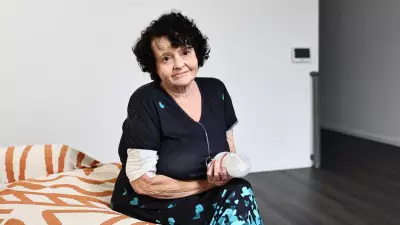
VAD Director Dr Clare Fellingham on the Emotional Weight of End-of-Life Decisions
In a candid reflection, Dr Clare Fellingham, the national director of Voluntary Assisted Dying (VAD), has opened up about the significant emotional and psychological toll associated with overseeing procedures that end human life. Speaking in an exclusive interview, Dr Fellingham detailed the complex responsibilities and heavy burdens faced by medical professionals involved in Australia's VAD framework.
The Heavy Responsibilities of VAD Oversight
Dr Fellingham emphasized that her role extends far beyond administrative duties, involving deep engagement with patients, families, and healthcare providers navigating end-of-life choices. She described the process as inherently challenging, requiring meticulous attention to legal safeguards, ethical considerations, and compassionate care. Each case, according to Dr Fellingham, carries profound emotional weight, as decisions must balance patient autonomy with medical integrity and societal values.
Personal Reflections on Professional Challenges
The VAD director shared personal insights into how the role impacts her own well-being, noting that constant exposure to terminal illness and death can lead to emotional exhaustion and moral distress. Dr Fellingham highlighted the importance of support systems and self-care strategies for professionals in this field, underscoring that the emotional toll is a critical, often overlooked aspect of end-of-life care. She also discussed the broader implications for Australia's healthcare system, including the need for ongoing training and resources to support those involved in VAD processes.

Broader Implications for Australian Healthcare
Dr Fellingham's reflections come at a time when VAD laws are being implemented across various Australian states, sparking national conversations about death, dignity, and medical ethics. She called for increased public awareness and dialogue to demystify VAD and reduce stigma, while advocating for robust frameworks that protect both patients and practitioners. The interview sheds light on the human side of policy implementation, revealing the personal sacrifices and emotional resilience required in this sensitive area of healthcare.