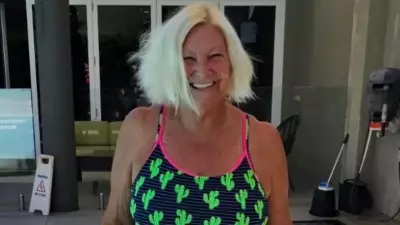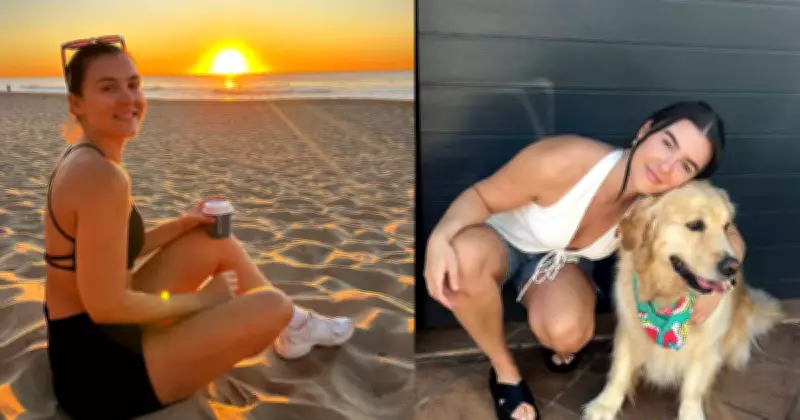
When Tessa, a Lake Macquarie resident, received an ADHD diagnosis at age 26, it marked a profound moment of relief after years of uncertainty. She had long sensed something was amiss, with the lack of clarity impacting her self-esteem, confidence, and career opportunities. Now 32, Tessa shares her experiences living with ADHD and autism on TikTok under the handle tessa_now, building a substantial following by discussing these conditions openly.
NSW Government Expands GP Training for ADHD Care
In a significant move, the Minns government has initiated a program training GPs to become ADHD medication prescribers, with about 90 already certified in the Hunter New England region. The state plans to train hundreds more statewide, aiming to enhance accessibility. NSW Minister for Health Ryan Park reported that 800 GPs have completed training to prescribe ongoing ADHD medication, with an additional 600 expressing interest in diagnosis training.
Mr Park emphasized the challenges in regional and rural communities, stating, "Accessing ADHD diagnosis services in regional and rural communities is a challenge. We know the impact high-quality ADHD care can have on family wellbeing. We are deeply committed to ensuring children in metro and regional NSW are not left behind."

Financial and Time Savings for Patients
Under these reforms, GPs can now fill repeat prescriptions for ADHD medication, a change implemented since September in NSW. This shift allows patients to save between $500 and $1400 annually. Previously, individuals had to consult psychiatrists, often facing wait times of one to two years for appointments. Statewide, more than 5000 patients have received approximately 18,000 scripts since the policy change.
NSW Minister for Mental Health Rose Jackson described the reforms as "life-changing," adding, "It's the next step in building a system where ADHD care is based on need, not income."
Expert Insights on ADHD Prevalence and Management
Rebekah Hoffman, chair of the Royal Australian College of General Practitioners NSW, highlighted that evidence suggests up to 10% of children and 6% of adults live with ADHD. "This is a common condition that can be diagnosed and managed well by a specialist GP with appropriate training," Dr Hoffman said. She noted ADHD affects various life aspects, including sleep, education, and social interactions.
Gender Differences and Comorbidities in ADHD
Tessa pointed out that ADHD manifests differently in females compared to males. "Girls can hold it together really well at school, for example. So you learn to mask it and internalise it," she explained. She also discussed common comorbidities, such as premenstrual dysphoric disorder (PMDD), which is often misdiagnosed as bipolar disorder due to hormonal fluctuations affecting dopamine levels and leading to low mood, anxiety, or suicidal thoughts.
Additionally, Tessa mentioned that ADHD symptoms can emerge or worsen during menopause due to hormonal changes. Reflecting on her own journey, she spent years in mental health wards, attributing much of her struggles to undiagnosed ADHD and PMDD, which caused executive functioning difficulties, trauma, and burnout.
Impact on Mental Health System and Accessibility
Tessa warned that misdiagnoses can result in medical labels, increased suffering, self-medication with substances, or even suicide, placing additional strain on an already overburdened mental health system. She praised the reforms for providing a more accessible pathway to explore ADHD diagnoses, stating, "If it isn't ADHD, it gives people the option to explore the next possible diagnosis and treatment avenue."
She emphasized the challenges of navigating life admin tasks, like obtaining referrals and booking appointments, which can be overwhelming for those with ADHD. By improving diagnosis accessibility, Tessa believes the mental health system could see significant relief, as undiagnosed individuals often contribute to its backlog.
Support services are available for those in distress, including Lifeline at 13 11 14, Mensline at 1300 789 978, Kids Helpline at 1800 551 800, beyondblue at 1300 224 636, and 1800-RESPECT at 1800 737 732.