Telethon's Investment in Newborn Emergency Transport Saves Lives in Western Australia
In a significant boost to neonatal healthcare, Telethon has funded a new ambulance, baby warmers, and high-tech stretchers for Western Australia's Newborn Emergency Transport Service (NETS WA). This initiative underscores a deep commitment to ensuring continuity of care for critically ill newborns, as vividly illustrated by the story of baby Millie and her family.
A Family's Journey Through Uncertainty and Hope
During the winter of 2025, Samantha and Tim attended their 12-week pregnancy scan, filled with excitement to see their first child and share the news with loved ones. However, their joy turned to shock when the sonographer's expression hinted at complications. A follow-up specialist ultrasound revealed a devastating diagnosis: their baby, Millie, had a congenital diaphragmatic hernia.
This serious birth defect causes abdominal organs to move into the chest cavity, severely impacting lung development and potentially preventing proper breathing after birth. "We were devastated when we got the diagnosis," recalls Samantha, who lives in the State's South West. "From that point on, we were referred to the maternal fetal medicine team at King Edward Memorial Hospital."

The couple focused on counting each week as a blessing, trying to push aside fears about what would happen when Millie arrived. Her birth would require immediate specialist intervention, including ventilation, a giraffe warmer for thermal balance, and urgent transfer via ambulance from KEMH to the Perth Children's Hospital neonatal intensive care unit.
The Critical Role of Newborn Emergency Transport Services
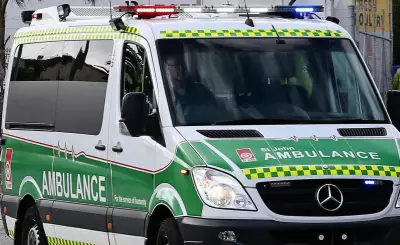
NETS WA plays a vital role in transporting fragile newborns needing urgent specialist care, whether from remote regional hospitals or between Perth facilities, using ambulances, helicopters, or planes. Dr. Jonathan Davis, medical director at NETS WA, explains: "Babies can pop out and surprise you, and we do our best with the equipment that is provided. The vast majority transported have some form of respiratory distress, so improving procedures makes it safer for them to get care quickly."
For years, Telethon has invested in newborn emergency transport with community support, ensuring sick newborns reach critical care when needed most. Recent upgrades include ultra-modern Stryker stretchers, enhancing continuity of care. NETS WA nurse Amy Crawford notes: "These upgrades mean we can really focus on the most important aspect, which is looking after the baby rather than worrying about how things are going to fit together."
Millie's Birth and Life-Saving Interventions
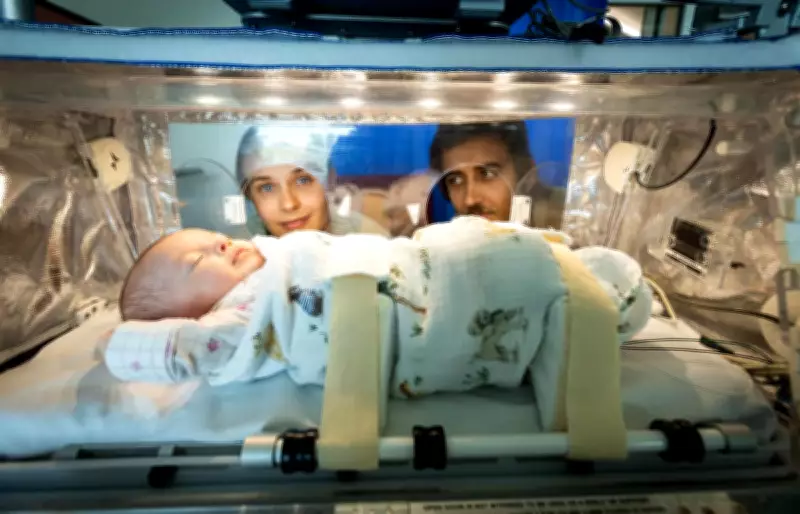
When Samantha was induced at KEMH in February, she faced warnings that she might not hear Millie cry or get to cuddle her. "When I had Millie, there was a team all ready for her," she says. "We got a cuddle and heard her cry—something we never thought we'd hear—so it was very special. But then they had to take her away to the NICU, and the NETS team transferred her quickly to PCH because she needed two high-risk surgeries that saved her life."
Now eight weeks old, Millie has reached remarkable milestones: breathing on her own, with her digestive system and heart functioning well after being affected by CDH. She has been discharged from hospital and is breastfeeding almost exclusively. Samantha reflects: "If we'd had her in our country town hospital as planned, or in another country without that transport, we would not have her with us. The continuity of care from her medical team and Telethon's equipment meant her care went as smoothly as possible."
Gratitude and Community Impact
Samantha expresses profound gratitude: "When I think about Telethon and how far Millie has come, we could not be more grateful to everyone who donated and contributed to her care." This story highlights how Telethon's ongoing investments in high-tech medical equipment and transport services are making a tangible difference in saving lives and supporting families across Western Australia.