Sydney Sisters Confront Ultra-Rare Disorder with Parent-Led Research
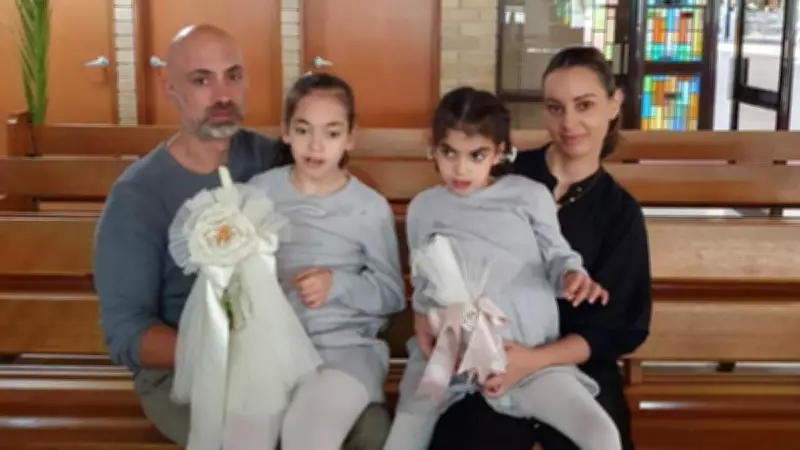
Multiple times each year, two young sisters from Sydney experience unpredictable seizures that dangerously cut off their airways, creating a critical emergency for their family. Mary Taouk, aged 14, and her sister Neveah, 10, suffer from an ultra-rare genetic condition known as PGAP1-CDG, which causes severe intellectual disability and makes them largely resistant to standard anti-epileptic medications. This degenerative disorder is so uncommon that only 23 other individuals worldwide are known to carry it, placing it in a category where pharmaceutical companies typically show little interest in developing treatments, and government funding is rarely allocated.
Family Takes on Mammoth Financial Burden
With no external support available, the responsibility for pioneering expensive research has fallen entirely on the girls' parents, Charlie and Mira Taouk. They have already invested over $380,000 into scientific studies but have recently encountered a significant financial roadblock. In response, they have turned to crowd-funding to sustain the ongoing research efforts. Charlie expressed the family's determination, stating, "If we didn't do it, nobody was going to do it for us." He emphasized that while a cure may not be imminent, any treatment that could reduce seizures and improve their daughters' quality of life would be a monumental achievement.
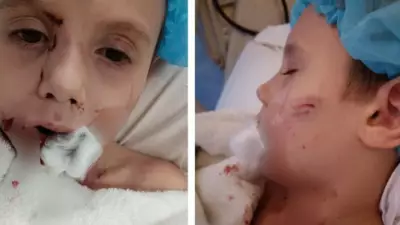
Describing the harrowing moments during seizures, Charlie shared, "One minute she's her bubbly self, and the next she's blue in the face and not breathing. It just destroys you watching them suffer." Over more than a decade, witnessing their daughters endure brain-damaging episodes has not become any easier for the parents. Charlie often leads emergency responses as Mira is overwhelmed by panic each time. "She just can't handle it, and I don't blame her. It's the worst thing to watch, not knowing how long it's going to last," he added, noting that they feel every single seizure deeply.

Diagnostic Journey and Family Life
Mary did not exhibit symptoms at birth, but by six months, she had not met key developmental milestones, appearing "like a rag doll" with limbs that flopped and an inability to hold up her head. Testing began soon after, but it took seven years to receive answers. Initially, doctors suspected cerebral palsy and assured the parents that the likelihood of having another child with the same condition was extremely low. However, Neveah began showing similar signs months after birth, delivering a heartbreaking blow to the family. Charlie recalled the emotional turmoil, saying, "I can't describe the feeling we felt after they told us that she most likely had whatever Mary's got. Back then, they didn't even know what it was."
The Taouks also have a one-year-old daughter, Veronica, who does not carry the gene defect. She was conceived through IVF as a precaution and underwent genetic testing to ensure the disorder was not passed on. Mary and Neveah, described by their father as "gentle girls" who often have bright smiles when well, require full-time care due to their high needs. They need assistance with eating, drinking, dressing, and bathing, and their parents manage continence issues, physiotherapy, and cognitive exercises. At night, the family sleeps beside monitors that track oxygen saturation and heart rates to detect seizures, with false alarms being a preferable alternative to missing a critical episode.
Research Breakthroughs and Ongoing Challenges
A diagnosis in 2019 marked the family's first major breakthrough, leading them to contact about 50 doctors and scientists globally. One expert highlighted that gene therapy was their only hope, as it could potentially halt disease progression by inserting a correct copy of the mutated gene using a virus. Initially, the therapy showed promise in petri dishes, with the virus successfully latching onto the girls' cells. However, testing on specially-bred mice yielded disappointing results, described by Charlie as if they had "injected them with water," creating a devastating roadblock just as funding dwindled.

Despite this setback, a serendipitous discovery emerged when researchers identified a small molecule that appears to alleviate PGAP1-CDG symptoms at a cellular level. Dr. Leszek Lisowski, a world-leading vectorology expert at Sydney's Children's Medical Research Institute, is spearheading the research. He explained that his lab, which focuses on rare genetic disorders, often initiates projects based on family outreach. "Most of the programs we run in my lab were actually initiated by an email or a phone call from a family that got a diagnosis and found there was no treatment," Lisowski said, emphasizing his commitment to never turning anyone away.
Lisowski has two of his 20 scientists working on the case, funding it personally due to a sense of obligation. He noted that while the research is high-risk and lacks sustainable funding, the close relationships with families drive progress. The discovery of the small molecule has led to a new phase focused on developing an oral pill aimed at stopping seizures and enabling brain reset for learning. However, as the disease has never been treated before, outcomes remain uncertain. Lisowski highlighted the broader context, stating that about 10,000 known genetic disorders affect many children, with treatments often not commercially viable for pharmaceutical companies or governments.
He concluded by underscoring the community effort required, saying, "It takes a village to raise a child but it really takes an army to cure one." The Taouk family continues to advocate and fundraise, hoping for a breakthrough that could transform their daughters' lives and offer hope to others facing similar ultra-rare conditions.