Sydney Measles Alert: Two New Cases, Including One With Unknown Source, Raise Community Spread Concerns
Sydney residents are being strongly urged to remain vigilant for symptoms of measles following the confirmation of two new cases in the area. One of these cases has no known source of infection, heightening fears that the virus may now be quietly circulating within the community. NSW Health has issued a warning, stating that one person acquired measles locally, while the second case lacks any links to known measles patients and did not attend any listed exposure sites.
Unknown Source Sparks Widespread Exposure Risks
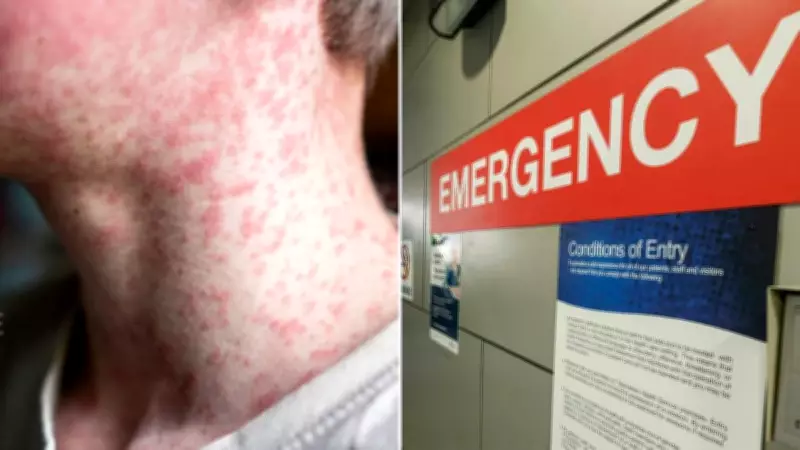
With the source of the second infection remaining unknown, authorities are cautioning that others may have been unknowingly exposed to the virus. The latest case involved a recent visit to the Nepean Hospital emergency department on March 9. A comprehensive list of exposure locations is available on the NSW Health website. Officials have clarified that these sites do not pose an ongoing risk, but anyone who visited them should monitor for symptoms for up to 18 days.
Special attention is being directed towards vulnerable groups, including pregnant individuals, those who are immunocompromised, and anyone with an infant exposed within the past six days. These individuals are urged to contact their local Public Health Unit immediately for guidance and support.

Rising Case Numbers and Vaccination Warnings
Since January 1, there have now been 26 confirmed measles cases in New South Wales, prompting renewed warnings about the importance of vaccination. NSW Health Director of Communicable Diseases, Dr. Christine Selvey, emphasized that anyone developing symptoms—particularly those who visited exposure sites—should seek medical care and call ahead before arriving at healthcare facilities.
Symptoms to watch for include:
- Fever
- Sore eyes
- Runny nose
- Cough
These are typically followed three or four days later by a red, blotchy rash that spreads from the head and face to the rest of the body. Dr. Selvey advised, "Anyone with early symptoms who gets a rash a few days later should also consider measles, even if they haven't attended one of the identified locations, and seek testing."
High Contagion and Prevention Measures
Measles is highly contagious and spreads through the air when an infectious person coughs or sneezes. This mode of transmission makes it crucial for the public to stay informed and take preventive actions. More detailed information is available on the NSW Health website and the Australian Government's Smart Traveller site, providing resources for understanding and managing the risks associated with measles.
As the situation evolves, health officials continue to monitor and respond to potential outbreaks, stressing the critical role of vaccination in preventing further spread. Community awareness and prompt medical attention are key to controlling this public health concern in Sydney and beyond.