Stroke Survivor Reunites with Paramedic Who Saved Her Life in Heartwarming Encounter
In a deeply moving and emotional reunion, a stroke survivor has met the paramedic who played a pivotal role in saving her life during a critical medical emergency. This heartwarming encounter underscores the profound impact that emergency responders have on individuals and communities, showcasing the human side of healthcare and the enduring bonds that can form in moments of crisis.
The Critical Incident and Life-Saving Response
The survivor, whose identity has been respectfully kept private, experienced a severe stroke that required immediate medical attention. The paramedic, a dedicated professional from the local emergency services, responded swiftly to the call, providing expert care and stabilization that proved crucial for the patient's survival. This rapid intervention not only saved her life but also minimized long-term damage, setting the stage for a remarkable recovery journey.
Emergency services personnel often work behind the scenes, but this reunion brings their heroic efforts into the spotlight, reminding us of the bravery and skill required in such high-pressure situations. The paramedic's actions exemplify the training and compassion that define first responders, making a tangible difference in outcomes for patients facing life-threatening conditions.

The Emotional Reunion and Its Significance
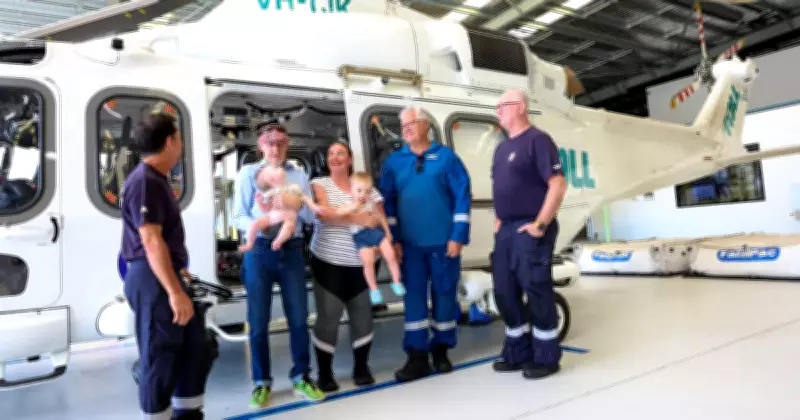
During the reunion, the survivor expressed her heartfelt gratitude to the paramedic, sharing how his quick thinking and medical expertise gave her a second chance at life. The meeting was filled with tears, hugs, and stories of recovery, illustrating the deep emotional connection that can arise from such traumatic events. This moment serves as a powerful testament to the resilience of the human spirit and the importance of acknowledging those who contribute to our well-being.
The reunion also highlights the broader implications for stroke awareness and emergency preparedness. Strokes are a leading cause of disability and death worldwide, and timely intervention is key to improving survival rates and reducing complications. By sharing this story, the survivor and paramedic hope to inspire others to recognize stroke symptoms early and trust in the capabilities of emergency services.
Broader Impact on Community and Healthcare
This story resonates beyond the personal level, shedding light on the vital role of paramedics and emergency medical teams in our healthcare system. It emphasizes the need for continued support and resources for these professionals, who often face challenging and unpredictable situations. Community recognition of their work can boost morale and encourage more people to pursue careers in emergency services.
Moreover, the reunion underscores the importance of follow-up care and emotional support for survivors. Recovery from a stroke involves not just physical rehabilitation but also psychological healing, and connections like this can foster a sense of closure and gratitude. It serves as a reminder that healthcare is a collaborative effort, involving patients, families, and medical staff working together towards positive outcomes.
In conclusion, the reunion between the stroke survivor and the paramedic is a poignant example of hope, gratitude, and the life-saving power of emergency response. It celebrates the unsung heroes in our communities and encourages us all to appreciate the critical services that protect and save lives every day.