Sleepwalking Murder Defence Fails as Killer's Hidden Narcissism Revealed
A man who claimed to be sleepwalking when he fatally stabbed his partner is believed to fit a subtype of narcissism that is notoriously difficult to detect, as former friends come forward to expose the full extent of his controlling and manipulative behaviour.
Details of the Tragic Incident
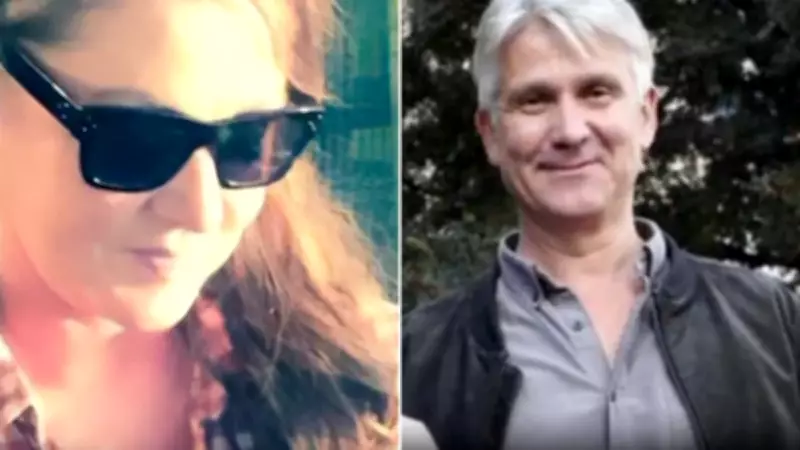
Anthony Eriksen, now a convicted murderer, was unemployed and entirely funded by his partner, Lisa Fenwick, a 59-year-old editor and writer. On the night of her death three years ago, Fenwick had asked Eriksen to move out, a request that preceded the violent attack. She was stabbed multiple times in the chest overnight on Easter, a horrific act that ended her life.
Justice Andrew Coleman recounted Eriksen's chilling account to emergency operators, stating, "He said, we got into an argument. When asked again what happened, he told the operator, well, I put a knife into her." This admission came despite Eriksen's later plea of not guilty, where he argued he did not intend to commit the offence because he was sleepwalking at the time.

The Sleepwalking Defence in Australian Law
In Australia, a person cannot be found guilty if they were unconscious or asleep when a crime is committed. This defence has been successfully applied in cases such as that of Victorian woman Ilknur Caliskan, who fatally stabbed her husband while camping in 2023. However, in Eriksen's case, the defence failed, leading to his conviction.
Unmasking the Vulnerable Narcissist
Unlike other grandiose narcissistic killers profiled in investigations, Eriksen is thought to be what experts term a vulnerable narcissist. This subtype is characterised by a victim mentality, hypersensitivity, social withdrawal, and the use of passive-aggressive manipulation tactics. Former friend Jeremy Maspero described Eriksen's attitude, saying, "He often used to say he was too good for everything, you know, one of those people, I don't need to work, I'm too good for this, too good for that."
Eriksen had meticulously isolated Fenwick, ensuring that few people realised how controlling he was. Criminologist Claire Ferguson explained, "They're in it for the control almost solely more than the relationship itself. And getting away from someone like that can be very, very difficult." This isolation made it challenging for Fenwick to seek help, despite messaging friends just before her death to express her fear of her partner.
Legal Outcome and Ongoing Appeals
Last December, Eriksen was sentenced to 26 years in jail for the murder. However, he is set to appeal this verdict, continuing the legal battle surrounding this tragic case. The investigation into his actions is part of a broader series that highlights the dangers of narcissistic behaviour in domestic violence situations.
Resources and Support for Victims
For those affected by domestic violence, support is available through organisations such as DV Connect at 1800 737 732 (1800RESPECT) and Lifeline at 13 11 14. Additional resources include campaigns and foundations dedicated to raising awareness and providing assistance to victims of femicide and domestic abuse.
The case serves as a stark reminder of the complexities involved in detecting and addressing narcissistic abuse, particularly when it involves vulnerable subtypes that can evade early recognition. As investigations continue, the hope is that increased awareness will lead to better protection and support for those at risk.