Survey Exposes Troubling Gender Bias in CPR Response
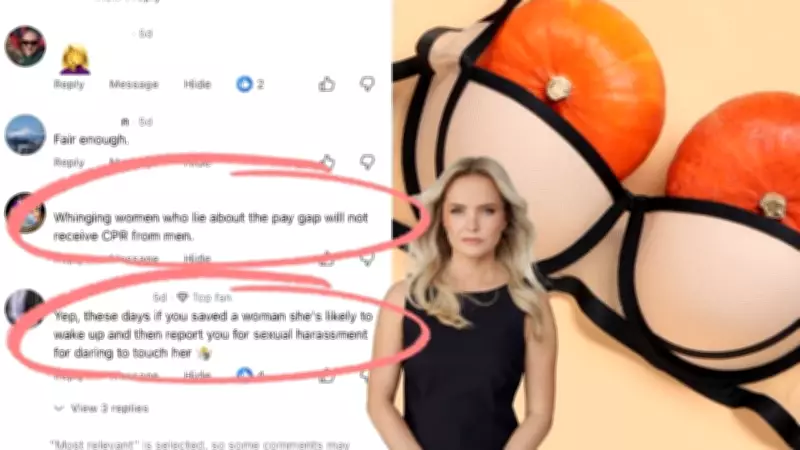
A recent survey has uncovered a shocking reason why some men say they would not perform CPR on a woman in an emergency situation. The findings reveal a significant barrier to life-saving first aid, driven by fears of being accused of inappropriate touching.
Fear of Accusations Deters Life-Saving Actions
According to the survey, a notable percentage of male respondents expressed reluctance to administer CPR to women. This hesitation stems from concerns about potential allegations of sexual misconduct or inappropriate contact during the procedure. CPR, or cardiopulmonary resuscitation, involves chest compressions and rescue breaths, which can be perceived as intimate or invasive.
The survey highlights how societal issues around gender and consent are impacting critical health responses. Experts warn that this bias could lead to delayed or denied care for women in cardiac arrest, potentially increasing mortality rates.

Implications for Public Health and Training
This revelation has sparked discussions among health professionals and first aid trainers. They emphasize that CPR is a gender-neutral medical intervention designed to save lives, regardless of the recipient's sex. The fear of accusations, however, points to broader cultural challenges that need addressing in first aid education.
Key points from the survey include:
- Many men cited fear of legal or social repercussions as a primary reason for hesitation.
- Some respondents admitted to being unsure about proper techniques when performing CPR on women.
- The findings suggest a need for enhanced training that addresses these concerns explicitly.
Public health advocates are calling for campaigns to normalize CPR for all genders and to clarify legal protections for good Samaritans. In many jurisdictions, laws exist to shield individuals from liability when acting in good faith during emergencies.
Moving Forward: Solutions and Awareness
To combat this issue, experts recommend several steps:
- Integrate discussions about gender bias and consent into standard first aid courses.
- Promote awareness of Good Samaritan laws that protect responders.
- Encourage practice on mannequins of both genders to build confidence.
By addressing these fears head-on, it is hoped that more people will feel empowered to provide CPR without hesitation, ultimately saving more lives. The survey serves as a wake-up call to prioritize inclusive and effective first aid training for everyone.