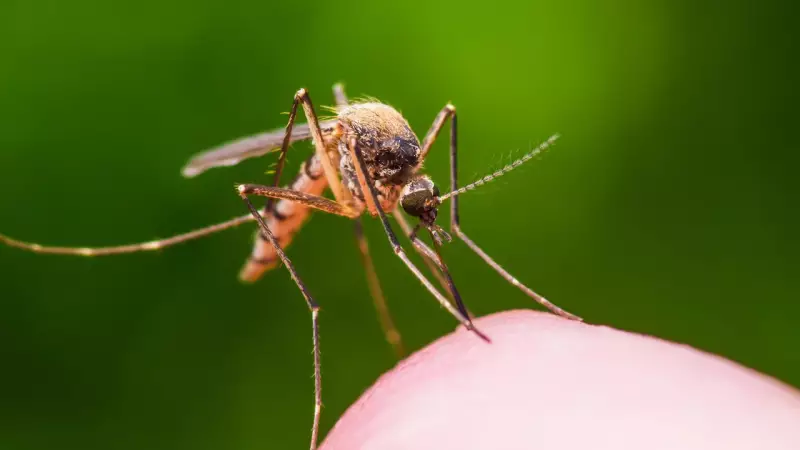
Urgent Health Alert as Ross River Virus Confirmed in Geelong Mosquitoes
Health officials have sounded an urgent alarm after the detection of Ross River virus in mosquitoes collected from the Geelong region. This concerning discovery has prompted a swift public health warning, with authorities urging residents and visitors to take immediate and effective precautions to minimise the risk of infection. The virus, known for causing debilitating symptoms, poses a significant health threat as mosquito activity peaks in the warmer months.
Details of the Virus Detection and Public Health Response
The Ross River virus was identified through routine surveillance of mosquito populations conducted by local health and environmental agencies. Testing confirmed the presence of the virus in specific mosquito samples from Geelong, indicating an active transmission cycle in the area. In response, health authorities have escalated their advisory, emphasising the importance of personal protection measures. Residents are strongly advised to use insect repellent containing DEET or picaridin, wear long-sleeved clothing during dawn and dusk when mosquitoes are most active, and ensure homes are fitted with proper screens to prevent entry.
Additionally, public health campaigns are being intensified to raise awareness about the symptoms of Ross River virus, which can include joint pain, fever, rash, and fatigue. These symptoms often persist for weeks or even months, leading to considerable discomfort and potential long-term health impacts. The warning extends beyond Geelong to surrounding regions, as mosquitoes can travel and spread the virus over distances, increasing the risk of outbreaks in neighbouring communities.

Broader Implications and Community Safety Measures
This detection highlights the ongoing challenges posed by mosquito-borne diseases in Australia, particularly in areas with favourable breeding conditions like wetlands and stagnant water sources. Authorities are urging property owners to eliminate potential mosquito breeding sites by removing standing water from containers, gutters, and other receptacles. Community-wide efforts, such as coordinated mosquito control programs and public education initiatives, are deemed crucial to curb the spread of the virus.
The situation underscores the need for vigilance, especially for vulnerable populations such as the elderly, young children, and individuals with compromised immune systems. Health services are on high alert, ready to provide support and treatment for those affected. As the summer season approaches, with its typically higher mosquito activity, this warning serves as a timely reminder for all Victorians to prioritise preventive actions and stay informed about local health advisories.