Andrew Miller: Unlike the Movies, We Only Have One Shot at Getting Our Health Right
Andrew Miller shares a poignant reflection on time-travel in cinema and its stark contrast to real-life health. While films often explore second chances through temporal manipulation, he argues that in medicine, we have just one opportunity to get things right, making preventive measures crucial.
Time-Travel in Storytelling and Its Real-World Parallels
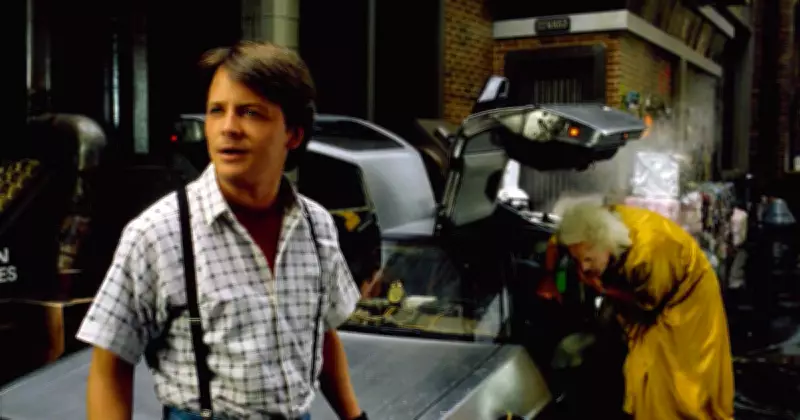
Time-travel is a popular narrative device, appearing in classics like Back to the Future and Primer. These stories allow characters to alter past events, but Miller notes that in reality, we cannot rewind time to fix health mistakes. He references the movie Idiocracy, which humorously critiques societal decline, and connects it to modern issues like misinformation on social media, underscoring the need for factual authority in health advice.
Regrets in Medicine and the Importance of Early Action
One of the most common regrets in healthcare is that patients wish they had sought treatment earlier, especially after a cancer diagnosis. Miller draws on the myth of Cassandra, who could predict the future but was never believed, to illustrate the frustration when individuals ignore evidence-based health recommendations, such as quitting smoking or getting screened.

Cancer Screening: A Stitch in Time Saves Nine
The government promotes preventive health through initiatives like poo-test kits for ages 45 to 75, designed to detect early signs of colorectal cancer. Miller highlights similar screenings for breast, prostate, skin, cervical, and lung cancers, as well as new technologies like the Avantect blood test for pancreatic tumors. He emphasizes that general practitioners are key in guiding when these screenings are necessary.
New Treatments and the Hope They Offer
Advancements in cancer treatment, such as personalised mRNA vaccines and monoclonal antibodies, provide hope for those who may have missed early prevention opportunities. Miller compares this to a metaphorical time machine, offering a second chance for some patients, though he stresses that prevention remains the best strategy.
Reflections on Time and Mortality
Miller discusses the film It's About Time, which explores using time-travel to cherish moments with loved ones, ultimately yielding to mortality. He quotes AI researcher Mrinank Sharma and poet William Stafford to reinforce that time is unstoppable, urging readers to prioritize health now. In reviewing Primer, he praises its complex portrayal of time warps and timeless themes, but notes its niche appeal.
Conclusion: Cherishing Time with Loved Ones
In closing, Miller reflects on watching Primer with his son, valuing the time spent together. He rates the experience a perfect 10/10, reminding us that while we cannot control time, we can make the most of it by focusing on health and relationships. The article serves as a call to action for proactive healthcare, as unlike in movies, we do not get do-overs in life.