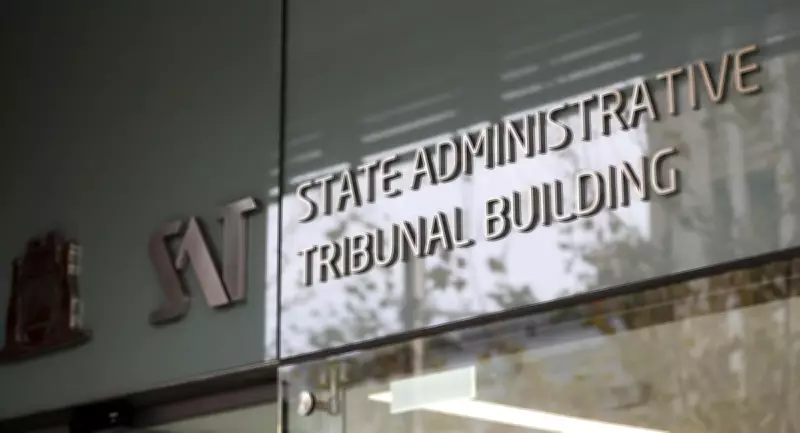
Nurse's Professional Registration Cancelled Following High Blood Alcohol Incident at Work
In a significant disciplinary ruling, a nurse has faced the cancellation of her professional registration after attending her workplace with a dangerously elevated blood alcohol level. The case, which has drawn attention to standards in the healthcare sector, underscores the serious consequences of misconduct in medical professions.
Details of the Incident and Disciplinary Action
The nurse involved, identified as Nancy Nyaboke Nyaswenta, was found to have a blood alcohol concentration of 0.235 when she reported for duty. This level is substantially above the legal limit for driving in most jurisdictions, highlighting the severity of the breach. The incident prompted an investigation by regulatory authorities, leading to the decision to cancel her registration, effectively barring her from practising as a nurse.
This action reflects the stringent expectations placed on healthcare professionals to maintain sobriety and safety in clinical environments. The cancellation serves as a stark reminder of the potential risks to patient welfare when staff members are impaired, and it aligns with broader efforts to uphold integrity within the nursing field.

Implications for Healthcare Standards and Professional Conduct
The case of Nancy Nyaboke Nyaswenta raises important questions about workplace protocols and the enforcement of professional codes of conduct. Healthcare settings require a high degree of vigilance to ensure that practitioners are fit for duty, as any impairment can compromise patient care and safety. Regulatory bodies often emphasise zero-tolerance policies for substance abuse in such critical roles.
This incident may prompt further reviews of screening procedures and support systems for healthcare workers, aiming to prevent similar occurrences. It also highlights the legal and ethical responsibilities that nurses and other medical staff bear, with registration cancellations being a severe but necessary measure to protect public health.
Key Takeaways from the Ruling- The nurse's blood alcohol level of 0.235 was a major factor in the disciplinary decision.
- Registration cancellation is a severe penalty that prevents future practice in the profession.
- This case underscores the importance of sobriety and professionalism in healthcare settings.
Overall, the cancellation of Nancy Nyaboke Nyaswenta's registration sends a clear message about the non-negotiable standards expected in nursing and the serious repercussions for violations. It serves as a cautionary tale for healthcare professionals across Australia, reinforcing the need for adherence to ethical guidelines and workplace safety norms.