Health authorities in New South Wales have issued a critical alert urging residents to remain vigilant for signs and symptoms of measles following the identification of four new cases of this highly contagious viral illness across the state. The warning comes as three of these cases were acquired locally within NSW, indicating potential community transmission.
Details of the New Measles Cases
According to NSW Health, three of the four individuals diagnosed with measles had not travelled overseas, confirming local acquisition of the infection. Two of these locally acquired cases have been linked to earlier NSW cases, while the source of the third remains under active investigation by health officials. The fourth case involves a returned traveller from Southeast Asia, a region currently experiencing ongoing measles outbreaks.
Exposure Sites and Public Health Advice
The individuals visited various locations while unknowingly infectious, posing a risk of exposure to the public. These sites include healthcare facilities, cafes, bars, bottle shops, and bakeries located in northern, southeast, and southwest Sydney, as well as the Illawarra Shoalhaven region, western NSW, and the Mid North Coast. The full list of exposure locations is regularly updated and available on the NSW Health website.

Measles is transmitted through contact with fluid or mucus from the mouth or nose of an infected person and can lead to severe illnesses or even death. Since the start of 2026, NSW has recorded 14 confirmed measles cases, with authorities noting an increased risk of infection at present. People who have visited the listed exposure sites during specified times are advised to monitor closely for symptoms.
Symptoms and Medical Guidance
Measles typically begins with flu-like symptoms, followed by a rash after a few days. Dr Christine Selvey, Director of Communicable Diseases at NSW Health, emphasized the importance of prompt medical attention. If symptoms develop and you have been at an exposure site during the listed time, seek medical care from a doctor, health service, or emergency department. It is crucial to call ahead to inform healthcare providers of potential measles exposure to avoid spreading the virus in waiting rooms.
Symptoms to watch for include:
- Fever
- Runny nose
- Sore eyes
- Cough
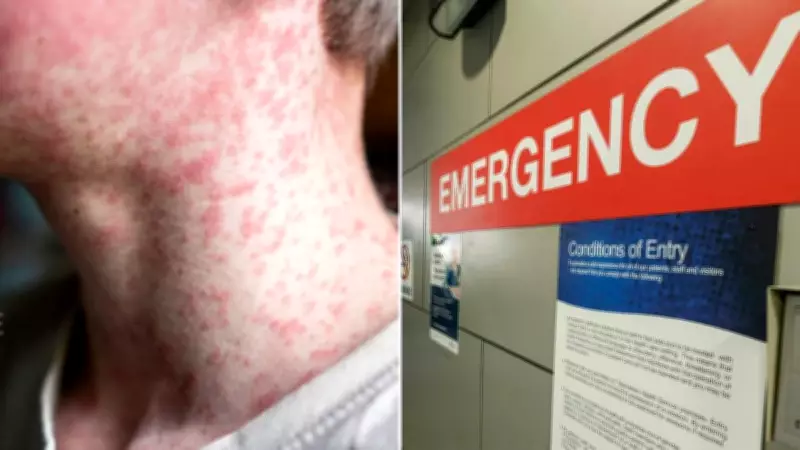
These are usually followed three to four days later by a red, blotchy rash that spreads from the head to the rest of the body. It can take up to 18 days after exposure for symptoms to appear.
Vaccination Recommendations
Dr Selvey also highlighted the importance of vaccination in preventing measles. The measles vaccine can prevent the disease even after exposure if administered early enough. This serves as a reminder for everyone to ensure they are protected against this highly infectious illness.
Key vaccination advice includes:
- Anyone born after 1965 should have received two doses of the measles vaccine.
- This is especially critical before overseas travel, given current outbreaks in several global regions.
Health authorities continue to monitor the situation closely and urge the community to stay informed and take preventive measures to curb the spread of measles.