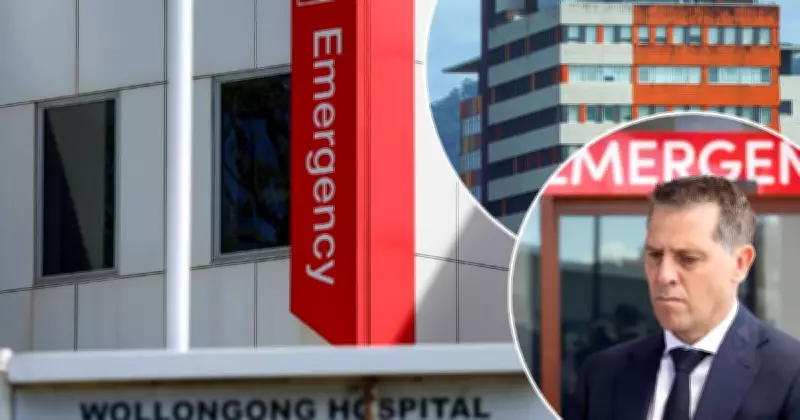
NSW Health System in Crisis as Stranded Patients Face Record Delays
The New South Wales health system is currently grappling with a severe crisis, as stranded patients across the state are confronting record-breaking delays in accessing critical medical care. This alarming situation has highlighted significant strains on emergency departments and ambulance services, raising urgent concerns about patient safety and the overall functionality of the healthcare infrastructure.
Unprecedented Delays in Emergency Departments
Emergency departments in NSW hospitals are experiencing unprecedented delays, with many patients left waiting for hours before receiving necessary treatment. Reports indicate that these delays have reached record levels, exacerbating the distress of individuals in need of immediate medical attention. The backlog in emergency rooms is contributing to a dangerous bottleneck, where resources are stretched thin and staff are overwhelmed by the influx of cases.
Ambulance Services Under Immense Pressure
Ambulance services are also under immense pressure, with response times slowing significantly due to the high demand and limited availability of vehicles and personnel. Stranded patients, including those with serious conditions, are facing prolonged waits for ambulance arrivals, which can have dire consequences for their health outcomes. This strain on emergency medical services is a clear indicator of the broader systemic issues plaguing the NSW health system.

Causes and Implications of the Crisis
The crisis in the NSW health system can be attributed to a combination of factors, including increased patient volumes, staffing shortages, and inadequate funding. These elements have converged to create a perfect storm, where the system is struggling to meet the basic needs of the population. The implications are far-reaching, potentially leading to worsened health conditions, increased mortality rates, and a loss of public trust in the healthcare system.
Calls for Immediate Action and Reform
In response to this dire situation, there have been growing calls for immediate action and comprehensive reform from healthcare professionals, patient advocacy groups, and political leaders. Proposals include increasing funding for health services, recruiting more medical staff, and implementing strategies to reduce wait times and improve efficiency. Addressing this crisis is crucial to restoring the integrity and effectiveness of the NSW health system.
Conclusion: The NSW health system is undeniably in crisis, with stranded patients facing record delays that threaten their well-being. Urgent measures are needed to alleviate the pressure on emergency departments and ambulance services, ensuring that all residents receive timely and adequate medical care.