Health Alert Issued as Mosquito-Borne Viruses Detected in Western Australia
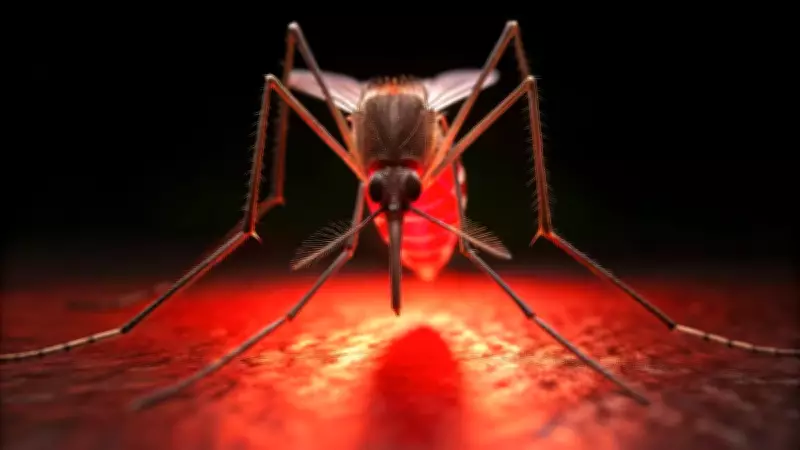
Western Australians are being urged to prepare for a significant increase in mosquito-borne viral activity following concerning laboratory results from the Kimberley region. Health authorities have confirmed the presence of both Ross River virus and Barmah Forest virus in mosquito samples collected through the state's surveillance program.
Surveillance Program Reveals Virus Presence in Northern WA
The detections were made as part of the Health Department's ongoing mosquito monitoring initiative, which serves as an early warning system for virus activity across Western Australia. While these particular viruses are not considered fatal, they can cause severe and prolonged illness in infected individuals.
Health Department managing scientist Andrew Jardine emphasized the potential impact of these infections, noting that symptoms can include painful or swollen joints, sore muscles, skin rashes, fever, headaches and extreme fatigue that may persist for weeks or even months.

"While these two viruses are not considered deadly, they can be debilitating," Dr. Jardine stated, highlighting the importance of preventive measures.
Peak Mosquito Season Brings Increased Risk
The warning comes during the peak mosquito season in northern Western Australia, which typically runs from December through June. During this period, mosquito populations surge significantly, increasing the potential for virus transmission to humans.
Of particular concern is the fact that mosquitoes in the region can also transmit more dangerous viruses including Murray Valley encephalitis and Japanese encephalitis, though these were not specifically mentioned in the current detection results.
Prevention Crucial Due to Lack of Vaccines
Dr. Jardine stressed that prevention remains the most important defense against these mosquito-borne illnesses, as there are currently no vaccines available for Ross River virus, Barmah Forest virus or Murray Valley encephalitis.
Health authorities recommend several key preventive measures:
- Wearing protective clothing that covers arms and legs
- Applying effective insect repellent regularly
- Ensuring homes and camping equipment are properly mosquito-proofed
- Avoiding outdoor activities during peak mosquito hours at dawn and dusk
The surveillance program will continue to monitor mosquito populations across Western Australia, with health officials prepared to issue further warnings if virus activity increases or spreads to other regions of the state.