Melbourne researchers have developed a world-first plastic that kills viruses on impact, in a breakthrough that could protect everything from mobile phones to hospital surfaces by stopping the spread of germs.
How the plastic works
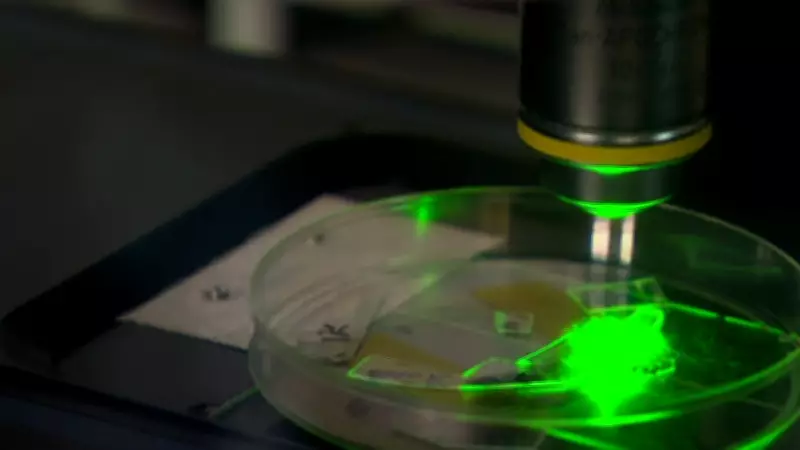
Scientists at RMIT University have created a thin plastic embedded with microscopic structures that tear viruses apart on contact. According to RMIT University's Samson Mah, this is one of the first materials of its kind capable of killing viruses. "Viruses, once they land on the surface, will be ruptured. And once they’re ruptured, they’re losing their infectivity," said RMIT Distinguished Professor Elena Ivanova.
Complementary safety measure
Mah emphasized that the technology is not intended to replace chemical disinfectants or cleaning but to work in the background as an additional safety measure to help reduce diseases. The research has been successfully tested on a common childhood influenza that causes bronchitis and pneumonia in children. "It is able to inactivate around 90 per cent of the viruses in just about an hour," Mah said.

Future applications
While the research is still in the laboratory phase, scientists hope the technology could be manufactured on a large scale in the future. It could be especially useful in hospitals and childcare centres where infectious diseases are a problem. Potential applications include hospital trays, elevator buttons, handrails, self-checkouts, and even digital screens like phone screens or digital kiosks. Scientists believe the possibilities for their invention are endless.