Measles Alert: Two New Cases Confirmed in Illawarra, Health Department Issues Warning
The Illawarra Shoalhaven Local Health District (ISLHD) has confirmed two additional measles cases in the Illawarra region, raising concerns about local transmission. These new infections are linked to individuals who attended exposure sites at the same time as a confirmed case, highlighting an ongoing public health risk.
Rising Measles Cases in New South Wales
This development follows a recent alert from the ISLHD, which reported three measles cases last week. The initial case was detected on March 16 in a person who had recently returned from Southeast Asia, prompting earlier warnings. Currently, New South Wales faces an increased measles risk, with 41 cases confirmed since January 1. In comparison, there were 37 cases throughout 2025 and 17 in the previous year, indicating a concerning upward trend.
Exposure Sites and Public Health Advice
The newly diagnosed individuals visited several locations while unknowingly infectious. Key exposure sites in the Illawarra include:

- Shellharbour Hospital Emergency Department, Mount Warrigal - March 30, 8:30am to 9:30am
- Wollongong Hospital Emergency Department, Wollongong - Multiple times on March 27-29
- Battle Axe Throwing, Wollongong - March 26, 2:30pm to 5:00pm
- JB HiFi, Wollongong Central Shopping Centre - March 25, 12:30pm to 1:00pm
Earlier cases also involved locations such as Refine Pilates North Wollongong, North Beach Pavilion bathrooms, and various retail stores in Fairy Meadow and North Wollongong. People who attended these sites during the specified dates and times should monitor for symptoms. While these places no longer pose an ongoing risk, the list of exposure locations is regularly updated on the NSW Health website.
Symptoms and Precautions
Dr Christine Selvey, NSW Health Director of Communicable Diseases, emphasized the importance of vigilance. "If symptoms develop and you've been at one of the locations at the time listed above, see your doctor or health service, including an emergency department. Call ahead to let them know that you may have come into contact with measles so you don't spend time in waiting rooms with other patients," she advised.
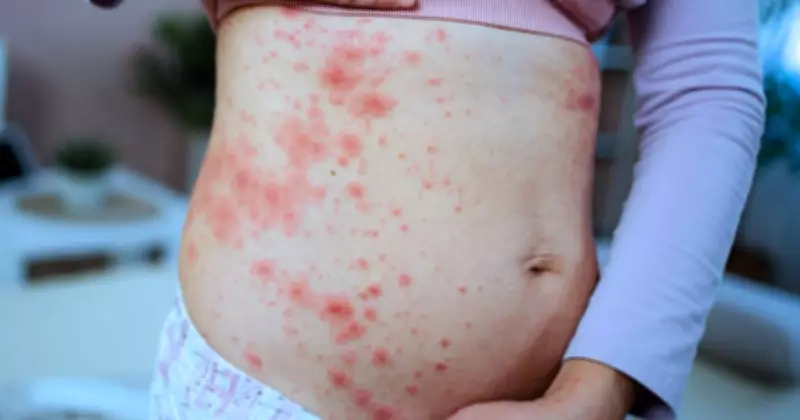
Symptoms to watch for include fever, sore eyes, runny nose, and a cough, typically followed by a red, blotchy rash that spreads from the head and face. It can take up to 18 days for symptoms to appear after exposure, so monitoring is crucial. Special precautions are advised for pregnant individuals, those with weakened immune systems, or infants exposed within the past six days, who should contact the Public Health Unit at 1300 066 055.
Vaccination and Prevention Measures
Measles is a vaccine-preventable disease spread through airborne particles when an infectious person coughs or sneezes. Dr Selvey urged the community to ensure they are up-to-date with vaccinations. "Importantly, we want to remind the community to make sure they are up to date with their vaccinations. Measles vaccine can prevent the disease even after exposure, if given early enough," she stated.
The measles-mumps-rubella (MMR) vaccine is free for children at 12 and 18 months old, and for anyone born after 1965 who hasn't had two doses. Children aged six to 12 months can receive an early dose if traveling overseas. Those unsure of their vaccination status should consult a GP or pharmacy, as additional doses are safe. With measles outbreaks occurring globally, vaccination is especially critical before international travel.
Health officials continue to stress the importance of public awareness and proactive health measures to curb the spread of measles in the Illawarra and across NSW.