In an extraordinary display of lifesaving reach, Australia's renowned aeromedical service, Lifeflight, has shattered its own records by airlifting more than one thousand patients in a single year. This unprecedented milestone highlights the soaring demand for critical care retrievals across the nation's vast and often remote landscapes.
A Year of Unprecedented Missions
The record-breaking figure was achieved by the dedicated critical care teams operating from the Townsville Base in Queensland. Over the course of the year, these highly skilled medical professionals completed over 1,000 lifesaving missions, transporting patients from regional and remote areas to advanced hospital care. This marks a significant increase from previous years and underscores the vital role of such services in the Australian healthcare network.
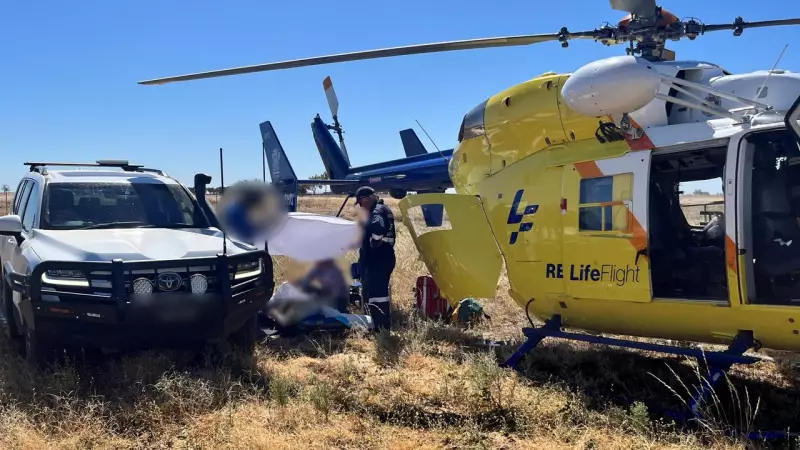
Each mission involves a complex coordination of pilots, doctors, and paramedics, often flying into challenging locations to retrieve patients suffering from severe trauma, medical emergencies, or requiring urgent specialist intervention. The aircraft, prominently branded as part of the RACQ LifeFlight Rescue fleet, have become a familiar and welcome sight in communities far from major metropolitan centres.

The Lifeline for Regional Communities
This remarkable achievement is not just a number; it represents thousands of individuals and families given a second chance. For people living in outback towns, on isolated properties, or in coastal communities, timely access to advanced medical care can be a matter of life and death. The ability of Lifeflight to rapidly deploy and retrieve patients bridges the vast distances that characterise the Australian continent.
The service's success is built on a model that combines state-of-the-art aviation with world-class medical expertise. The aircraft are essentially flying intensive care units, equipped with the latest life-support technology to ensure patient stability during transit. This capability is crucial for managing critical conditions where every minute counts.
Looking to the Future of Aeromedical Retrieval
Smashing the one-thousand-patient barrier signals a new era for aeromedical services in Australia. It reflects both the growing need and the expanding capacity of organisations like Lifeflight to meet that need. As populations in regional areas grow and the climate presents new challenges, from extreme weather events to heat-related illnesses, the demand for these rapid retrieval services is expected to climb further.
The record also serves as a powerful reminder of the ongoing need for community and corporate support. Services like RACQ LifeFlight Rescue rely on a mix of government funding and public donations to maintain their 24/7 readiness. Each mission is a testament to the value of this investment in safeguarding Australian lives, no matter where they are lived.
As Lifeflight looks ahead, the focus remains on innovation, training, and readiness to ensure that when the next call for help comes—whether from the rugged outback or a remote island—their teams are prepared to soar into action and continue their record-breaking lifesaving work.