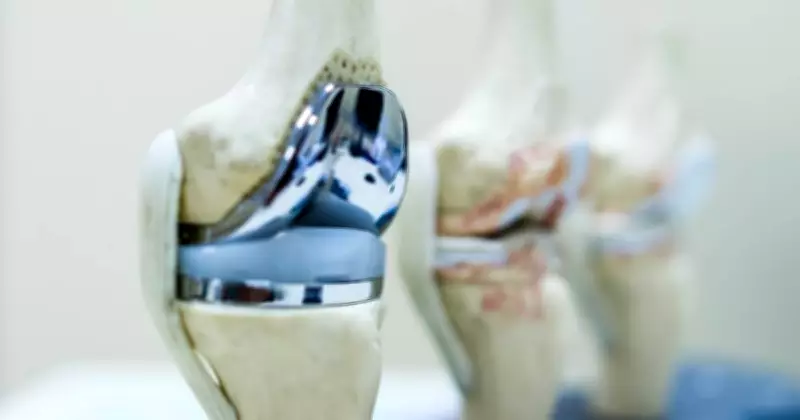
If you're like most people, you expect to recover from a knee replacement in three to six months. In reality, it may take up to one year - or longer - to fully recover. Knowing how long knee replacement recovery takes will help you manage expectations and avoid unwelcome surprises.
Knee pain is more common than many realize. According to WebMD, the issue affects one in four US adults and can stem from overuse, injury, or medical conditions like osteoarthritis. If you're considering total knee replacement treatment, understanding the recovery timeline can significantly improve your post-operative experience.
What Is the average timeline for knee replacement surgery?
The recovery process after a total knee replacement begins immediately after surgery. Your post-op care team will focus on reducing swelling, alleviating pain and discomfort, and supporting mobility - all of which keep muscles flexible and improve blood circulation.

You'll start basic physical therapy exercises involving movement of the knee, along with short walks using mobility aids. This initial stage can feel slow, but many patients start walking almost normally three to six weeks after surgery.
Major improvements typically occur between weeks 6 and 12, when you may be walking with little or no support and resuming simple daily tasks. Between 6 and 18 months, swelling gradually subsides and your knee regains strength as muscles rebuild - though full recovery continues throughout this entire period.
Why does it take so long to recover?
Surgery causes significant trauma to the body, and several factors influence how long recovery takes.
Tissue doesn't heal overnight
During surgery, both soft and hard tissues - including bone - are affected. These tissues need months to heal fully, even if the incision looks fine early on.
Preoperative muscle weakness
Many patients already have weakened muscles before surgery. That weakness extends recovery because those muscles must be rebuilt from a lower baseline.
Postoperative swelling
Swelling (or edema) is the body's natural healing response to surgery, and it can last for months. It limits movement, causes discomfort, and slows overall progress.
Loss of sensation around the knee
The nerves surrounding your knee provide both sensory and motor functions, and they may take time to restore sensitivity after the operation. This can cause tingling, numbness, or unusual sensations - physical therapy exercises help address this over time.
Consistency with physical therapy
Effective recovery requires showing up even on difficult days. Skipping exercises or drifting from your plan can delay recovery and reduce long-term results.
Pre-existing conditions
Chronic conditions such as diabetes can delay wound healing and increase the risk of complications, leading to a slower and more carefully managed recovery process.
Tips for a smoother recovery
Prepare your home before you return
After knee replacement surgery, you'll need to continue recovery at home. Simple changes - like installing handrails by the bedside, in the bathroom, and along stairs - can protect against falls, make daily movement easier, and support a faster recovery.
Manage pain and swelling proactively
Pain and swelling are a normal part of surgery. Applying cold packs, taking anti-inflammatory or pain medication, and following your surgeon's instructions around rest all help you move more comfortably and heal faster.
Stick to your physical therapy plan
Consistent exercise prevents muscle stiffness, restores movement, and builds strength over time. Avoid long periods of inactivity.
Maintain a healthy weight
Excess weight adds stress to your new joint. A balanced diet supports a healthy body weight, which reduces strain on the knee and promotes healing.
Frequently Asked Questions
How painful is knee replacement recovery?
Pain is typically most intense in the early stages and improves with time, medication, and therapy. Managing pain well encourages physical activity and supports faster healing.
What is the best age for knee replacement?
There is no single best age. Most patients are between 50 and 80, but the decision depends on pain severity, mobility limitations, and overall health - not age alone.

Can you walk normally after knee replacement?
Yes, most patients regain normal walking ability. Full natural movement develops gradually over the first year.
Are there alternatives to knee replacement surgery?
Yes - physical therapy, medications, injections, and lifestyle changes are all options. However, severe joint damage may ultimately require surgery for long-term relief.
How long does swelling last?
Post-operative swelling can come and go for several months, though it reduces gradually as your knee heals and rebuilds strength.
Can I claim compensation if my knee injury was caused by someone else's negligence?
If your knee injury occurred due to another party's negligence, you may be entitled to compensation in NSW. Successful claims can cover medical expenses (including the cost of knee replacement surgery and rehabilitation), lost income during recovery, and damages for pain and suffering. NSW courts have a track record of awarding compensation in cases where the long-term impact of a knee injury, including extended recovery periods and ongoing limitations.
When can I return to work?
It depends on your job. Desk work may be possible within 4 to 6 weeks, while physically demanding roles may require 3 months or more. Always seek clearance from your surgeon before returning.
This is content submitted by a third party. It does not necessarily represent the views of the publisher of this website. This information is of a general nature only and should not be regarded as specific to any particular situation. Readers are encouraged to speak with their specialist and seek appropriate medical advice based on their personal circumstances.