Newcastle Researcher Launches Groundbreaking Study as Hunter Dementia Cases Soar
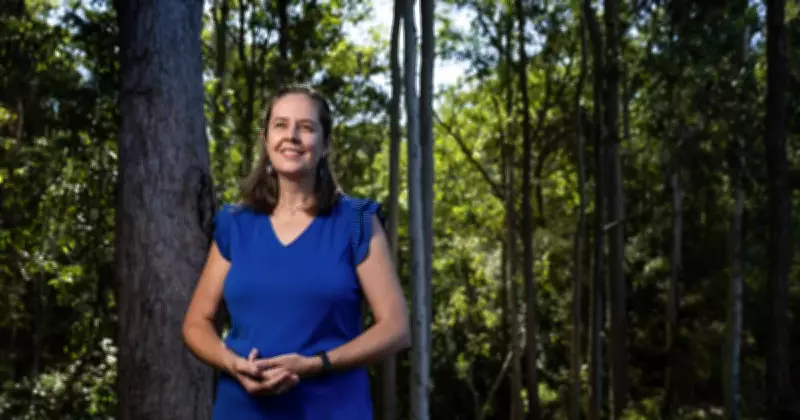
As dementia cases continue to rise year on year across the Hunter Region, a dedicated Newcastle researcher is pioneering new work aimed at transforming the lives of individuals living with a particularly rare and debilitating form of the neurodegenerative disease. Dr Sharon Savage, a clinical neuropsychologist at the University of Newcastle, has secured a significant grant to adapt a rehabilitation program specifically for Primary Progressive Aphasia, often described as language-led dementia.
Personal Motivation and Professional Dedication
Dr Savage's commitment to dementia research is deeply personal, having witnessed several relatives, including her grandmother, aunts, and mother, experience the profound memory difficulties associated with the condition. "You can see the change and the impact that can have, not only on the person themselves, but all the people around them," Dr Savage explained. With over two decades of her career dedicated to supporting people living with dementia, she emphasizes that while the disease progression cannot be halted, the focus must be on maximizing quality of life.
"We know we can't stop the disease from keeping on going, but it is just about trying to ensure there's the best quality of life possible," she stated. This urgency is underscored by national statistics, with dementia cases estimated to reach 446,500 across Australia in 2026 and having become the leading cause of death in 2024.

Alarming Statistics in the Hunter Region
Local government areas within the Hunter Region are reporting some of the highest estimated rates of dementia in New South Wales. According to data projections from Dementia Australia, sourced from modelling by the National Centre for Monitoring Dementia at the Australian Institute of Health and Welfare:
- Lake Macquarie recorded the fourth highest number of cases in 2026, with an estimated 4,890 individuals affected, a figure projected to surge to 8,343 by 2054.
- Newcastle ranked 11th with 3,088 cases, expected to rise to 5,333 by 2054.
- Port Stephens and Maitland followed with 1,832 and 1,389 cases respectively.
In 2023, the entire Hunter New England Health District had the highest number of estimated dementia cases in NSW, affecting 25,929 people. Despite these escalating numbers, Dr Savage highlights a critical gap in post-diagnostic support, particularly in regional communities. "People might get a diagnosis, they might be offered some different medications but they may not be offered too much else," she noted, pointing to a vacuum in care services.
Innovative Research into Primary Progressive Aphasia
This year, Dr Savage received a $387,500 grant from Dementia Australia to adapt the Goal-oriented cognitive Rehabilitation in Early-stage Alzheimer's Trial (GREAT) for Primary Progressive Aphasia. PPA is a rare form of dementia that primarily impairs language functions, making it difficult for individuals to express themselves, comprehend others, and engage in reading and writing activities.
"Their day to day memory might be pretty good but their ability to put things into words can be really impacted," Dr Savage explained. She described the condition as "really debilitating," with patients often left without rehabilitation options post-diagnosis. "They get their diagnosis and there's a vacuum that they are left with nothing much to support them," she added.
The research project will involve collaboration with people who have lived experience of PPA, their families, and various clinicians to identify the most effective modifications to the GREAT program. Dr Savage hopes this work will provide much-needed support and reduce the reluctance some individuals feel about seeking a diagnosis. "There is sometimes a reluctance by people to go and seek a diagnosis," she acknowledged. "But there are options and there are things being developed." This initiative represents a significant step forward in addressing the growing dementia crisis in the Hunter Region and beyond.