Australian-first Hospital in the Home Initiative Transforms Paediatric Care
In a groundbreaking move, Perth Children's Hospital has launched an Australian-first Hospital in the Home initiative, enabling young patients to complete their recovery in the comfort of their own homes. This innovative program, made possible through Telethon Trust Research Fellowships, is reshaping paediatric healthcare by reducing hospital overcrowding and supporting families during critical times.
A Family's Journey with Hospital in the Home
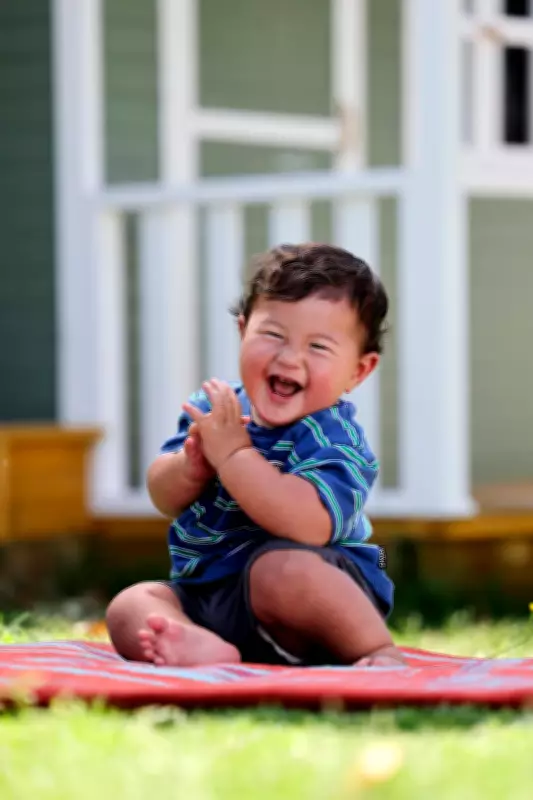
Leo Piliae, not yet two months old, was rushed to hospital after developing severe breathing difficulties due to a combination of RSV, rhinovirus, and bronchiolitis. His parents, Caitlin and Don, faced the daunting task of balancing his hospital stay with caring for their three other children at home. The family eagerly accepted an offer to join a pilot program for the Hospital in the Home service, which proved to be a lifesaver.
"I was dying to get home to be with the other kids—so it was just such a good option for us," Caitlin shared. The program combines wearable monitors that track vital signs like heart rate, temperature, and oxygen saturation with daily home visits from paediatric nurses, providing peace of mind and reducing family disruptions.

Driving Change Through Telethon Trust Research Fellowships
Led by Dr. Simon Moore at Perth Children's Hospital, the Hospital in the Home initiative is part of a broader effort supported by Telethon Trust Research Fellowships, which celebrates its 40th anniversary this year. These fellowships have empowered 96 early-career researchers to develop world-changing paediatric care solutions.
Dr. Moore explained, "We had the concept within our team that we could set up this Hospital in the Home remote monitoring service as a pilot to see if it would work as a new way to provide care closer to home for families, while also taking pressure off the hospital, which in winter time is always bursting at the seams." A 12-month feasibility study aims to recruit around 1,000 families, assessing the program's cost-effectiveness and acceptability.
Impact and Benefits of the Program
Since its inception, the Hospital in the Home service has already made a significant impact, with 630 patients enrolled and over 1,000 hospital beds freed up. This has helped reduce disruptions to schooling and work for families, offering a more flexible and supportive care model. The program is available only to medically stable children nearing discharge, ensuring safety while promoting recovery in a familiar environment.
Patients receive daily physical assessments from nurses and at least one telehealth review, maintaining high standards of care. Dr. Moore noted, "We've had quite a big impact on the hospital," highlighting the program's success in alleviating strain on healthcare resources.
Legacy of Telethon Fellowships in Paediatric Research
The Telethon Trust Research Fellowships have a rich history of fostering innovation in paediatric medicine. For instance, 2001 fellow Meredith Borland, now a paediatric emergency physician, pioneered the use of intranasal fentanyl for children with acute fractures, revolutionizing pain relief practices globally. Her work demonstrated that this method could provide relief within 15 minutes, compared to over 30 minutes for traditional IV or injection methods.
Professor Borland reflected, "Seeing a problem and seeing a potential solution is a real opportunity, particularly when you're young and keen, to actually look at using Telethon to assist you with exploring that in more detail."
Building a Culture of Research and Excellence
Since Tim Jones became Western Australia's first Telethon fellowship recipient in 1986, the program has cultivated a culture of research at Perth Children's Hospital, elevating the standard of care. Professor Jones, recognized internationally for his work in childhood diabetes, emphasized, "The only way you can improve things is through research. I'm incredibly fortunate—I've spent mornings seeing patients and also doing research at the same time. It's a privilege."

He added that families appreciate receiving care at a facility engaged in cutting-edge research, as it assures them of the best possible treatment. The fellowships have enabled continuous advancements, from preventing diabetic convulsions to developing new care models like Hospital in the Home.
Conclusion: A Bright Future for Paediatric Healthcare
The Hospital in the Home initiative exemplifies how Telethon Trust Research Fellowships are driving meaningful change in paediatric healthcare. By supporting innovative programs and research, these fellowships not only enhance patient outcomes but also strengthen family resilience during medical challenges. As this pilot program expands, it sets a precedent for future healthcare innovations across Australia and beyond.