Concerning new health data has exposed a severe gap in dental care across the Hunter New England region, with only half of all adults visiting a dental professional in the past year. The district's rate of 52% for this crucial measure ranks as the second worst among New South Wales' 15 health districts, trailing far behind leaders like Northern Sydney at 75%.
A System Built on Reactivity, Not Prevention
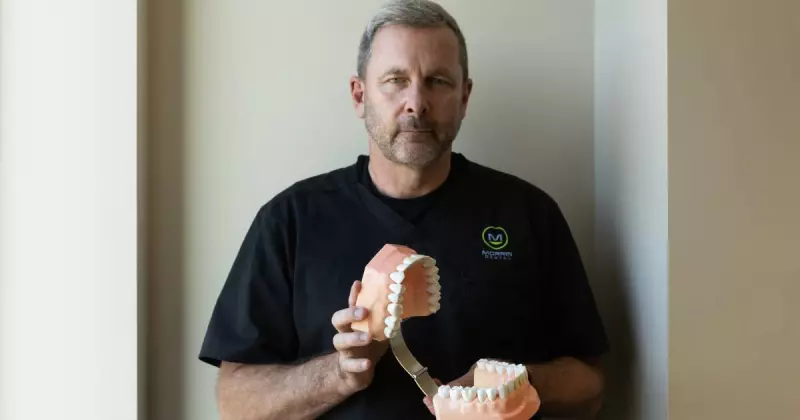
Newcastle dentist Dr Mark Morrin, who serves as the NSW president of the Australian Dental Association, has sounded the alarm on this worrying trend. He stresses that dental diseases are almost entirely preventable, yet the current system incentivises last-minute treatment over proactive care.
"You may feel like you've got no problems, but if left too long and not detected, they can get a lot worse very quickly and become more expensive and problematic," Dr Morrin warned. This reactive approach has dire consequences, contributing to more than 3000 potentially preventable hospitalisations for dental conditions within the Hunter New England Health district annually.

Funding Gaps Create a Dangerous Void for Patients
Dr Morrin pinpointed multiple failures within the dental care ecosystem. He described a perfect storm where public services are overwhelmed and private insurance is failing to keep pace.
NSW Health's safety net dental services in public hospitals and community centres are "pretty underfunded and flat out," with Dr Morrin labelling waiting lists as "horrendous." Simultaneously, he criticised private health insurers for letting rebates slip behind, noting they "haven't kept up anywhere near what they should" compared to rising practice costs and premiums.
This has created a dangerous middle ground where people with insurance feel the pinch and the public system cannot cope. "People who are privately insured are not getting as much out of that and the government is not backing the public system, so you're ending up with this gap," he explained.
A Call for Targeted Help and the Broader Health Impact
The dentist advocates for a targeted federal government scheme to support society's most vulnerable, similar to the existing Child Dental Benefits Schedule but extended to seniors. The current child scheme offers up to $1132 in free services over two years, yet only one in three eligible children use it.
Dr Morrin emphasised that poor dental health is not an isolated issue. "It's an inflammatory process. There's good data and studies to prove it has a lot to do with your heart health and general health," he said. He described dental disease as a socioeconomic disease, disproportionately affecting those least able to afford care.
The findings of a 2023 Senate inquiry underscore the national scale of the problem, revealing:
- One in five people regularly experience toothache.
- One in ten suffer from severe tooth loss.
- One in four children aged 5-10 have untreated decay in baby teeth.
- One in 25 adults have no natural teeth left.
Despite this, Dr Morrin offered a note of hope, stating "there's no excuse for anyone to lose their teeth in later life now." With modern prevention like fluoride and better care, systemic neglect is often the primary cause of major tooth loss today. He concluded that while a universal dental system may be unaffordable, a preventive-focused scheme for vulnerable Australians would yield significant long-term benefits for both individual and public health.