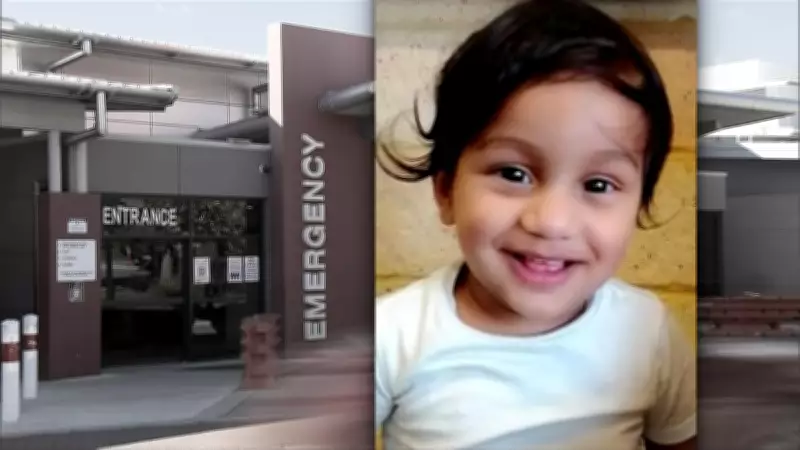
Coroner Rules Perth Toddler's Death Was Likely Preventable at Busy Healthcare Facility
A coroner has concluded that the tragic death of a young toddler at a bustling Perth healthcare facility was probably preventable, following an investigation into the circumstances surrounding the incident. Sandipan Dhar, aged just 21 months, passed away in March 2024 after his family reported making repeated requests for blood tests to determine the cause of his persistent fever.
Family's Appeals for Medical Attention Went Unanswered
The coroner's report, written last month and reviewed on Friday, highlights that the family's appeals for urgent medical testing were not addressed adequately. Sandipan's parents and general practitioner had specifically requested blood tests, which could have identified the undetected leukaemia that ultimately claimed his life. The coroner emphasized that this was more than a simple missed opportunity; it was a critical failure in the healthcare process.
Coroner's Findings on Preventability and Recommendations
In the detailed findings, the coroner stated that if the requested blood tests had been conducted, Sandipan's leukaemia would have been diagnosed promptly. With definitive treatment available, he would have likely survived. Instead, the toddler died just two days later at Joondalup Health Campus, underscoring the urgency of the situation.

The coroner has issued six specific recommendations aimed at improving patient care, particularly for children in the emergency department at that health campus. These proposals are designed to prevent similar tragedies in the future by ensuring that medical requests are handled with greater diligence and responsiveness.
Expected Public Release of the Report
The full coroner's report is anticipated to be released to the public shortly, providing further insights into the case and the systemic issues identified. This incident has sparked discussions about healthcare protocols and the importance of timely medical interventions, especially for vulnerable patients like young children.
The coroner's conclusion that Sandipan's death was probably preventable serves as a stark reminder of the need for vigilance in medical settings. As the community awaits the public report, there is a growing call for enhanced measures to safeguard patient health and ensure that such oversights do not recur.