From the outside, Canberra Hospital might sometimes appear to be in crisis, plagued by reports of bullying and bad behaviour. But as someone who has spent the past year as a frequent patient, I can testify that the reality is quite different. It has been, in fact, a wonderful experience that has restored my faith in humanity.
A Personal Journey of Recovery and Reflection
At the end of 2024, I suffered a severe knee injury that required extensive medical attention. Over the following twelve months, it felt as though I had a season ticket to Canberra Hospital. Each visit for treatment left me feeling better, not just physically, but emotionally uplifted by the kindness of strangers.
I would arrive feeling the gruffness of the city, weighed down by my own discomfort, and depart with a renewed sense of hope. The staff consistently displayed an unflappable good humour, gracefully handling patients across the entire spectrum of moods—from the gentle and cooperative to the confrontational and angry.

The Positive Perspective of a Veteran Nurse
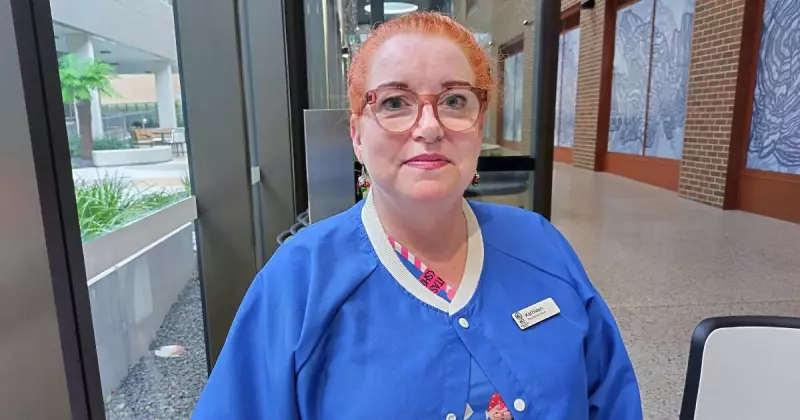
Take registered nurse Kathleen McPartland, for example. She was the one who carefully removed the stitches after my shattered knee had been surgically repaired. With over four decades of nursing experience, she embodies a positive outlook that is both inspiring and pragmatic.
"I am quite a positive person, and if there are those rotten apples, you just think, what's their life been like that they're like this? At the end of the day, I'm blessed to have my own life, I'm very blessed," she shared. "The majority of people are wonderful." She acknowledges that difficult patients exist but emphasises they are only a small few.
Ms McPartland described occasional confrontations with intimidating behaviour, where patients might invade her personal space. In such moments, she employs clear boundaries and psychological techniques to de-escalate situations.
"I try and not talk too much. I try and listen to what their issue is and try and de-escalate the situation," she explained. "But always—never put yourself in harm's way. The job's not worth it."
Coping with Trauma and Stress in Healthcare
Ms McPartland's career has taken her across Australia, using nursing roles as a way to explore the country before settling in Canberra twelve years ago. She now works primarily in out-patients, caring for individuals in recovery, like myself, but also steps into the emergency department when needed.
There, she faces traumatic situations ranging from car crashes to cardiac arrests. "Anything could happen, from the worst to minor injuries, to someone who's had a cardiac arrest or multi trauma and is on death's door. There are catastrophic injuries," she said.
To manage the stress, she relies on coping mechanisms: taking deep breaths, staying calm, and focusing on the present. "Stop the what ifs. If it happens, deal with it then and there. Don't worry about something you've got no control over," she advised. This mindset is crucial, as she noted that many of her nursing friends have left critical care due to the immense pressure.
A Glimpse into the Ward Dynamics
Throughout my year of visits, the only grumpiness I witnessed came from a couple of patients in the discharge area. One ranted about not receiving medication immediately, while another lamented moving from Queensland. In both instances, the nurses remained composed and professional, saying nothing in response.
This restraint highlights the daily challenges healthcare workers face, yet they continue to provide exceptional care with empathy and dedication. Their ability to maintain positivity in the face of adversity is nothing short of remarkable.
Why Canberra's Health Service Deserves Our Thanks
The marvellous Canberra health service is built on the backs of individuals like Kathleen McPartland—professionals who bring not only clinical expertise but also profound humanity to their roles. They navigate high-stress environments, manage emotional patients, and still find joy in their work.
As a reporter who has seen the inner workings of this hospital firsthand, I can confidently say that the staff here deserve our deepest gratitude. They transform what could be a sterile, intimidating institution into a place of healing and hope.

So, the next time you hear negative chatter about Canberra Hospital, remember the countless unsung heroes within its walls. They are the reason patients like me leave feeling better, both in body and spirit.