For many Australians, the modern workday involves more than eight hours of focused interaction with digital screens, from desktop computers to smartphones. This relentless exposure has led to a widespread epidemic of digital eye strain, marked by familiar symptoms like persistent headaches, end-of-day blurred vision, dry eyes, and nagging neck pain.
Two Distinct Solutions for Screen Fatigue
In response to this growing health concern, the optical industry offers two primary solutions: Blue Light Filtering Glasses and Anti-Fatigue Lenses. While both aim to boost comfort during long stints in front of screens, they tackle completely different mechanisms of strain. Optometrists stress that choosing the right option depends critically on your age, existing vision, and the specific nature of your digital work and habits.
Understanding the fundamental difference between these technologies is key to investing in the correct visual aid and achieving genuine relief from the stress of our screen-heavy lives.

Blue Light Filtering Glasses: The Protective Shield
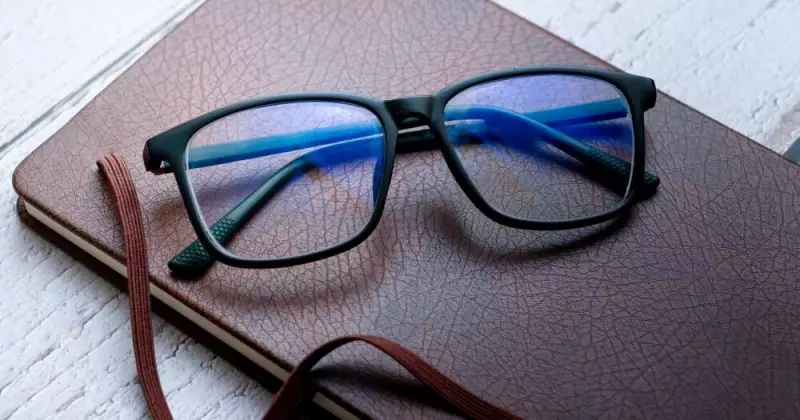
Blue light filters are typically applied as a coating to standard single-vision or prescription lenses. They specifically target the high-energy visible (HEV) blue light emitted by LED screens, which is present in higher concentrations than in natural light sources.
The mechanism is one of light blocking. The coating deflects or absorbs a portion of blue light in the 415-455nm wavelength range before it reaches the eye. This action often gives the lenses a slight amber tint or a visible blue/purple reflection.
The intended benefits are threefold. First, they reduce glare by cutting high-intensity blue light, which improves contrast and softens the harshness of bright white screens. Second, many users report immediate relief from the visual discomfort associated with screen brightness. Third, and perhaps most notably, blocking blue light in the evening is theorised to help regulate melatonin production, thereby supporting healthier sleep patterns.
These glasses are well-suited for individuals of any age who spend extended time on devices, regardless of whether they need a prescription. They are particularly ideal for nighttime users who read or scroll on phones or tablets before bed and are concerned about sleep quality.
Anti-Fatigue Lenses: The Focusing Support System
Anti-Fatigue lenses, sometimes called digital relief lenses, represent an intermediate step between standard single-vision lenses and progressive lenses. They address the physical effort the eye's ciliary muscle must exert to maintain focus on close-up text and images.
Their mechanism is one of focusing support or accommodation relief. These lenses feature two zones: a main viewing area with your primary distance prescription and a slight, graduated magnification (a 'boost') in the lower portion. This boost subtly reduces the focusing effort required when looking at a phone or keyboard, directly combating the muscular strain that leads to tension headaches and fatigue.
A key secondary benefit is improved posture. By making close-range focus clearer and easier, users are less likely to crane their neck forward or hunch over, which can alleviate associated shoulder and neck pain.
This solution is best for younger adults aged 25-40 who have good distance vision but suffer strain from sustained focusing. It's also excellent for anyone showing early symptoms of presbyopia (difficulty focusing on near objects) around age 40, and for high digital users whose primary complaint is a feeling of muscular exhaustion or headaches originating behind the eyes after long screen sessions.
The Winning Combination and Professional Guidance
A critical insight is that blue light filtering and anti-fatigue technology are not mutually exclusive; they are highly complementary. The filter addresses external light interference, while the anti-fatigue boost supports the eye's internal muscular effort. For many digital professionals, the optimal solution is a pair of Anti-Fatigue Lenses with an integrated Blue Light Filter.

Cost is a consideration, with blue light filters being a relatively inexpensive add-on, while anti-fatigue lenses involve more complex design and a higher cost. However, the investment is often justified by a significant reduction in daily physical strain.
Ultimately, the choice must be guided by a comprehensive eye examination with a qualified optometrist. They will assess not just your prescription, but also your accommodation flexibility, how well your eyes work together up close, and your specific digital habits. This professional assessment ensures any prescribed 'boost' in an anti-fatigue lens is perfectly tailored to your unique visual system.
Leading optometry practices in cities like Canberra emphasise a holistic approach, combining expert lens guidance with professional frame fitting services to maximise both comfort and style for their patients.
In the quest for relief from digital pressure, remember the distinct roles of these lenses. Blue Light Filters manage your light environment for comfort and potential sleep benefits. Anti-Fatigue Lenses manage the physical focusing effort to relieve muscular strain. By understanding this distinction and consulting with your optometrist, you can move beyond simple glare reduction to secure genuine, sustainable visual comfort.