ADHD Brains More Likely to Enter Sleep-Like State During Challenging Tasks, New Australian Research Reveals
Groundbreaking Australian research has uncovered a fascinating neurological phenomenon in individuals with Attention Deficit Hyperactivity Disorder (ADHD). The study indicates that ADHD brains are significantly more prone to entering a sleep-like state during demanding cognitive tasks, which could explain common difficulties with focus and performance.
Key Findings from the Australian Study
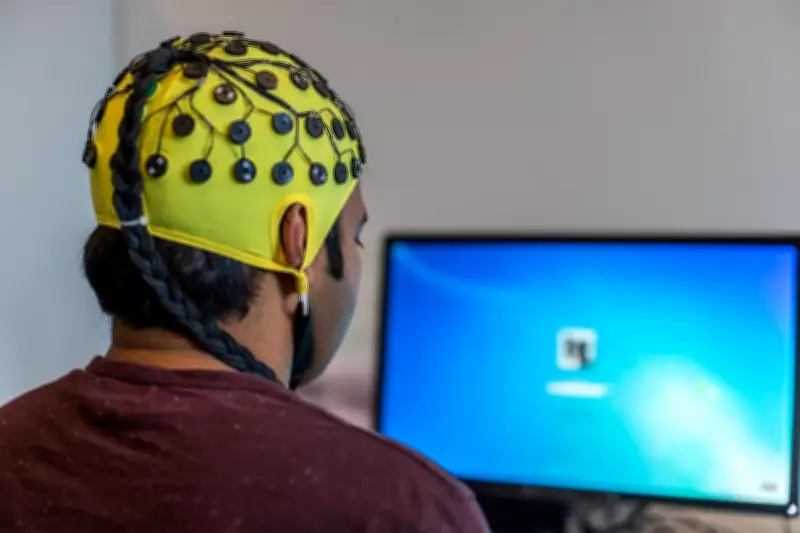
The research, conducted by Australian scientists, involved monitoring brain activity in participants with and without ADHD as they engaged in various challenging tasks. Using advanced neuroimaging techniques, the team observed distinct patterns in the ADHD group.
- Increased Theta Waves: ADHD participants showed heightened theta wave activity, which is typically associated with drowsiness or light sleep, during tasks requiring sustained attention.
- Reduced Alertness: This sleep-like brain state correlated with decreased alertness and poorer task performance compared to non-ADHD individuals.
- Task Difficulty Impact: The effect was more pronounced in more complex or monotonous tasks, suggesting that boredom or high cognitive load triggers this response.
Implications for Understanding ADHD
This discovery challenges traditional views of ADHD as solely a behavioral or attention issue, highlighting it as a neurological condition with specific brain activity patterns. The sleep-like state may underlie symptoms such as inattention, daydreaming, and difficulty completing tasks.

Researchers suggest that this could lead to new diagnostic tools or targeted interventions, such as neurofeedback training to regulate brain waves. It also emphasizes the need for tailored strategies in educational and workplace settings to support individuals with ADHD.
Broader Context and Future Research
The study adds to a growing body of evidence on the neurodiversity of ADHD brains. While previous research has linked ADHD to differences in dopamine regulation and executive function, this focus on sleep-like states offers a novel perspective.
Future research aims to explore whether this phenomenon varies with age, ADHD subtype, or medication use. Understanding these dynamics could improve treatment approaches and reduce stigma by framing ADHD in terms of brain biology rather than willpower.
Overall, this Australian research provides valuable insights into the cognitive challenges faced by those with ADHD, paving the way for more effective support and innovation in mental health care.