Transform Your Garden with a Worm Farm: A Simple Guide to Efficient Waste Recycling
If there is one habit that can completely transform your gardening experience, it is managing your waste properly. Kitchen scraps, garden clippings, and other bits that typically end up in the bin all hold significant value. While composting is a well-known solution, for those with limited space or a preference for a more contained system, a worm farm serves as an excellent alternative.
The Power of Worm Farming
This system might seem almost too simple to be effective, but it works remarkably well. You provide food for the worms, they diligently process it, and soon you have some of the richest and most beneficial fertilizer available for your garden. It is efficient, reduces waste dramatically, and once established, it largely maintains itself with minimal intervention.
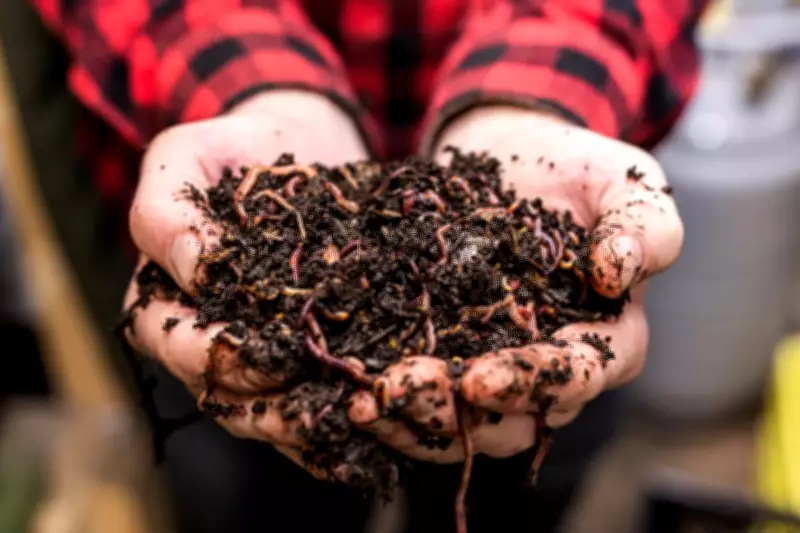
What often surprises people is the sheer productivity of a worm farm. A single compost worm can consume nearly its own body weight every couple of days. Multiply that by approximately a thousand worms, which is standard for a home setup, and you have a powerful recycling system operating right outside your back door.

Getting Started with Your Worm Farm
Beginning is straightforward. You can purchase a ready-made worm farm from a nursery or hardware store, complete with worms and bedding, or you can create one yourself using recycled containers. The setup does not need to be complex; what truly matters is understanding how the system functions and providing the worms with optimal conditions to thrive.
Worms are sensitive to extreme temperatures. In summer, they require protection from heat, as a plastic worm farm exposed to full sun can quickly become too warm, which worms cannot tolerate for long. A shaded or semi-shaded location is ideal. In winter, if you notice activity slowing down, moving the farm to a sunnier spot can help revive it.
It is also advisable to place your worm farm in a convenient location, preferably close to the kitchen. The easier it is to access, the more consistently you will use it.
Structure and Setup of a Worm Farm
Most worm farms consist of stacked trays. The bottom layer is a sealed container that collects the liquid produced, often referred to as worm wee, equipped with a small tap for easy drainage. Above this are one or more trays where the worms live and feed. To prevent waterlogging, some gardeners leave a bucket at the base with the tap open continuously.
To start, line the base of the top tray with a couple of sheets of newspaper. On top of this, add your bedding. Store-bought systems often include coconut fibre, but you can just as easily use damp compost, shredded paper, or a mixture of both. This creates a comfortable environment for the worms to settle into. Once that is in place, add your worms, and you are ready to begin feeding.
Feeding and Maintaining Your Worm Farm
Food scraps go directly into the top tray. The worms will move toward the food and start breaking it down immediately. To help them settle, cover the surface with something like damp newspaper, hessian, or an old cloth. This maintains a dark and moist environment, which worms prefer.
Moisture is crucial but requires balance. The bedding should feel damp to the touch, not wet. A light misting now and then, typically only needed in summer, is sufficient to keep conditions comfortable without overdoing it.
As the tray fills up, simply add another tray on top. These trays have small holes in the base, allowing the worms to move up and down through the system. They will feed in the upper layers where fresh scraps are available, then move back down through the bedding to rest and process the material.
What to Feed Your Worms
Worms will happily consume most fruit and vegetable scraps, along with coffee grounds, tea bags, crushed eggshells, small amounts of bread or pasta, and even damp cardboard or newspaper. A varied diet leads to a better end product. However, strong or acidic foods like onion, garlic, chilli, and citrus can disrupt the system, as can dairy, meat, fish, oils, and pet waste. Keeping these out or to a minimum helps maintain a healthy balance.

If food sits uneaten, it may start to smell and attract unwanted pests. It is better to start with small amounts and gradually increase as the worms settle in and their population grows. Over time, you will find a rhythm that works effectively.
Worm farms are a simple yet powerful system. Like many beneficial aspects of gardening, they do not need to be complicated—just consistent. Embrace this sustainable practice to enhance your garden and reduce waste efficiently.