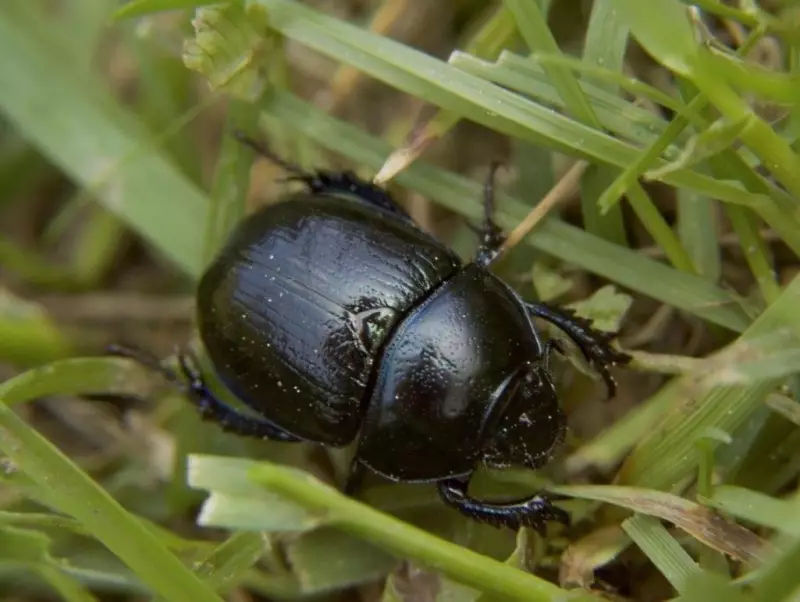
In many Australian gardening communities, a common misconception persists that the African lawn beetle is the primary villain behind patchy, brown lawns. However, horticultural expert Sabrina Hahn emphasises that this insect is often incorrectly blamed, with underlying factors like soil quality and watering practices being the real issues.
Misidentification in Gardening Groups
Across various Facebook gardening groups, concerned lawn enthusiasts frequently share images of beetles, with members quick to label them as African lawn beetles (Heteronychus arator). Sabrina Hahn points out that in numerous instances, this identification is inaccurate, as the beetles pictured may be entirely harmless species. The actual causes of lawn distress are typically more complex, involving nutrient-deficient soil, hydrophobic patches, uneven irrigation coverage, soil compaction, fungal infections, and elevated pH levels in the earth.
Understanding the African Lawn Beetle Lifecycle
The African black beetle follows a specific seasonal pattern. Eggs are laid in spring, with larvae emerging within two to five weeks. These larvae then pupate and transform into adults approximately two weeks later. During winter, the adult beetles enter a hibernation phase. The most effective period for control measures is during the early larval stage in spring, as it is primarily the larvae that cause damage to lawns.

The Ecological Impact of Insecticides
Beetles play a crucial role in ecosystems and the global food chain. Australia is home to an estimated 23,000 described beetle species, with total numbers potentially reaching 80,000 to 100,000. Insecticides commonly used to target lawn beetles do not discriminate, affecting a wide range of insects beyond the intended African black beetle.
Acelepryn, containing Chlorantraniliprole, is a frequently applied insecticide among lawn caretakers. This chemical can adversely impact beneficial insects such as ladybirds, scarab beetles, and the larvae of moths, butterflies, and sawflies. Notably, there is limited published research on its effects on birds like magpies that may consume grubs exposed to the chemical.
Chlorantraniliprole poses significant risks, being highly toxic to aquatic invertebrates. It should never be used near waterways or areas where runoff could reach surface water. Additionally, this chemical persists in soil and can accumulate over years with repeated application, leading to long-term environmental concerns.
Identifying African Lawn Beetles
The African lawn beetle measures approximately 12-15mm in length, featuring glossy black wings, an oval shape, and spiny legs. Its larvae, or grubs, are creamy in colour with yellow or brown heads and black jaws, often curling into a U-shape and ranging from 5-25mm in size.
Decline of Native Beetle Populations
Reflecting on childhood memories in New South Wales, Sabrina Hahn recalls the excitement of summer arrivals like Christmas beetles, jewel beetles, and fiddler beetles. Sadly, native beetle populations have seen a drastic decline due to habitat loss and excessive insecticide use. This decline not only affects beetles but also has repercussions for other insects and birds, which may suffer from secondary poisoning or be considered non-target species in chemical treatments.
Weekly Gardening Tip
Before resorting to insecticides, always submit pictures to MyPestGuide Reporter, an app designed for reporting pests across Australia, to ensure correct insect identification. In many cases, the insect in question may be beneficial and harmless to your garden.
Three Essential Garden Tasks This Week
- Observe cicadas clinging to tree bark; you'll likely hear their songs beginning in the late afternoon.
- Inspect your garden around 6pm to spot male native bees clustering on flower stalks or fence lines, as they often gather together at night.
- Apply a wetting agent, along with kelp and liquid fish fertiliser, to lawns to maintain their health throughout the summer months.
For those with gardening queries, Sabrina Hahn invites questions to be submitted to "Green With Envy" in Saturday's The West Australian. Write to Ask Sabrina, GPO Box D162, Perth 6001, or email home@wanews.com.au, including your full name and suburb. Please note that due to high volume, not all questions can be answered.