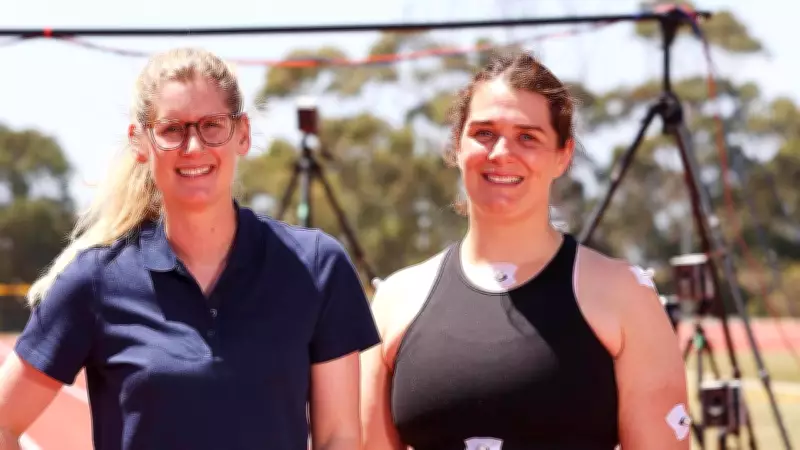
Fitness Watches Put to the Test for Pram-Running Parents
In a groundbreaking study, scientists are rigorously examining whether popular fitness watches deliver precise data for parents who engage in running while pushing prams. This research aims to uncover if these wearable devices accurately measure critical metrics such as heart rate and calorie expenditure during this specific form of exercise.
Investigating Accuracy in Real-World Conditions
The study focuses on the unique challenges posed by pram running, where arm movement and body mechanics differ significantly from standard running. Researchers are testing various brands of fitness watches to determine if they can reliably track physiological responses under these altered conditions. Preliminary findings suggest that some devices may overestimate or underestimate key data, potentially misleading users about their fitness progress.
Implications for Health and Fitness Tracking
Accurate tracking is crucial for parents relying on fitness watches to monitor their health and set fitness goals. If these devices fail to provide reliable information, it could impact training effectiveness and motivation. The study highlights the need for wearable technology to adapt to diverse exercise scenarios, ensuring that all users, including pram-running parents, receive trustworthy feedback.

Key aspects under scrutiny include:
- Heart rate monitoring accuracy during pram running
- Calorie burn calculations compared to laboratory standards
- Step count and distance tracking reliability
- Variations across different fitness watch models
Broader Context and Future Research
This investigation is part of a larger trend in evaluating wearable technology's performance in niche activities. As fitness watches become more integrated into daily health routines, ensuring their accuracy across all user demographics is essential. The outcomes of this study could lead to improved device algorithms and better user guidance for pram-running enthusiasts.
Researchers emphasise the importance of using fitness data as a guide rather than an absolute measure, especially in unconventional exercise settings.