The Australian Pesticides and Veterinary Medicines Authority (APVMA) has decided not to ban the herbicide paraquat, despite research linking it to neurological disorders such as Parkinson's disease. The decision, announced on Tuesday, has drawn criticism from health advocates and experts who argue that the chemical poses serious health risks.
Concerns Raised During Consultation
During a consultation period prior to the APVMA decision, 171 submissions were made by scientists, doctors, and the agriculture industry. These submissions raised concerns about human health impact, farming viability, and environmental impact. However, the chemical watchdog stated that the “weight of evidence does not show that paraquat exposure through approved uses increases the risk of developing Parkinson’s disease.”
Restrictions Imposed Instead of Ban
Instead of banning the chemical, the APVMA will restrict usage to 231 grams per hectare, down from 1150 grams per hectare. The authority will also phase out its use with backpack sprayers and require workers to use protective equipment. Existing paraquat stock will be phased out over a two-year period, to be replaced with stock adhering to the new regulations.

Criticism from Parkinson's Australia
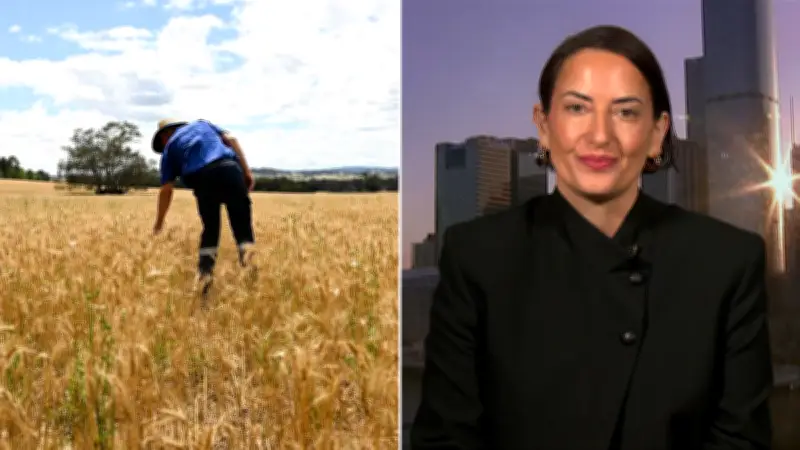
The watchdog’s refusal to outright ban the chemical, a measure undertaken by more than 70 countries since the mid-2000s, has drawn confusion and anger. Parkinson’s Australia CEO Olivia Nassaris told Sunrise she doesn’t “think the APVMA got this one right.” “I want to know why the APVMA does not value Australian lives like 70 other countries value the lives of their citizens,” Nassaris said. “We have eminent neurologists and researchers from Australia, and all around the world, that have looked at this research.”
Concerns About Enforcement
While Nassaris welcomes usage limitations and enforcement of protective equipment, she said farmers have told her they “don’t necessarily use protective equipment all the time.” “We also want to know how that’s being policed and monitored and what data is available of the PPE that’s being used,” she added.
Environmental Impact
In its decision, the APVMA also described the risk to birds and animals that come into contact with the chemical as “unmanageable.” This has further fueled criticism from environmental groups who argue that the decision fails to protect wildlife and ecosystems.