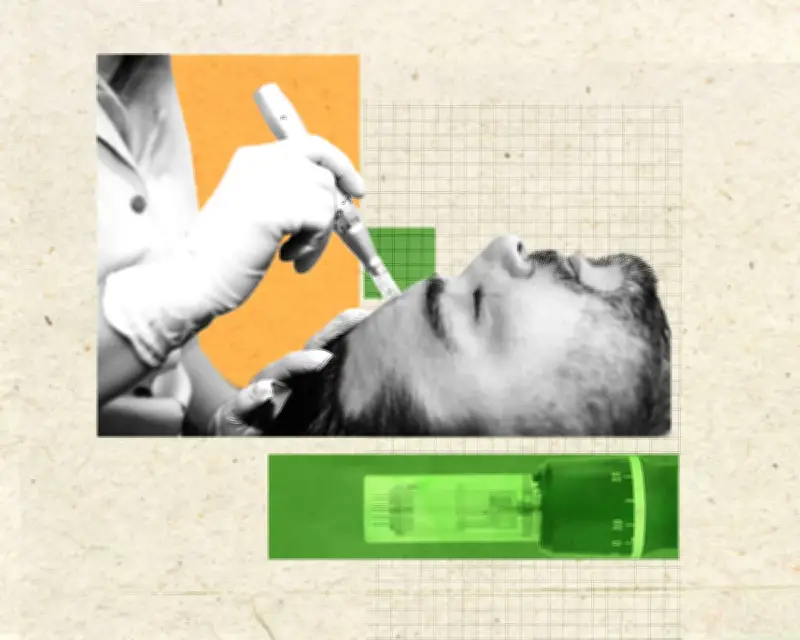
What Is Microneedling and How Does It Work?
Microneedling, also known as collagen induction therapy, involves using a device with fine needles to create tiny punctures in the skin. The procedure aims to stimulate the body's natural wound-healing processes, leading to increased collagen and elastin production. Proponents claim it can reduce wrinkles, scars, and stretch marks, and improve skin texture and tone.
The procedure is typically performed in a dermatologist's office or medical spa, with costs ranging from $200 to $700 per session. Most patients require a series of three to six treatments spaced a month apart. The needles penetrate the epidermis and upper dermis, triggering a controlled injury that prompts the skin to repair itself.
What Does the Evidence Say?
According to Dr. Shari Marchbein, a board-certified dermatologist in New York City, microneedling is effective for certain conditions. "Microneedling is a safe and effective treatment for acne scars, surgical scars, and for overall skin rejuvenation," she says. A 2018 meta-analysis published in the Journal of the American Academy of Dermatology reviewed 12 studies and found that microneedling significantly improved acne scars compared to no treatment.

However, evidence for other uses is less robust. A 2020 systematic review in Dermatologic Surgery concluded that while microneedling may improve fine lines and wrinkles, the quality of evidence is low due to small sample sizes and lack of standardized protocols. The review noted that only 3 out of 8 studies showed statistically significant improvement in wrinkle reduction.
Potential Risks and Side Effects
While generally considered safe, microneedling carries risks. Common side effects include redness, swelling, and minor bruising for a few days post-treatment. More serious complications, such as infection, scarring, or hyperpigmentation, are rare but possible, especially if performed by an inexperienced practitioner or if proper sterilization is not followed.
A 2019 case series in JAMA Dermatology reported that microneedling can lead to granulomatous foreign body reactions if done improperly. The authors emphasized the importance of using medical-grade devices and sterile techniques.
Comparing Microneedling to Other Treatments
Microneedling is often compared to laser resurfacing, chemical peels, and microdermabrasion. Unlike lasers, microneedling does not use heat, making it suitable for darker skin tones with lower risk of hyperpigmentation. However, a 2021 study in Lasers in Surgery and Medicine found that fractional laser was more effective for treating acne scars after a single session, while microneedling required multiple sessions for similar results.
Cost-wise, microneedling is generally less expensive than laser treatments. But the need for multiple sessions can add up. For mild skin concerns, at-home derma rollers are available for under $50, but experts caution they are less effective and carry higher infection risk.
Who Is a Good Candidate?
Ideal candidates are those with mild to moderate acne scars, fine lines, or uneven skin texture. It is not recommended for people with active skin infections, open wounds, or a history of keloid scarring. Pregnant women and those on blood thinners should also avoid it.
Dr. Marchbein advises patients to have realistic expectations. "Microneedling can produce gradual, natural-looking improvement, but it won't give you the dramatic results of a facelift or laser resurfacing," she says.
Final Verdict: Does It Work?
Yes, for specific indications like acne scars, microneedling has solid evidence. For anti-aging and general skin rejuvenation, results are more modest. A 2022 survey by the American Society for Dermatologic Surgery found that 73% of patients reported satisfaction with microneedling for acne scars, but only 45% were satisfied for wrinkle reduction.
Ultimately, microneedling is a tool, not a miracle cure. It works best when combined with other treatments like topical serums or platelet-rich plasma (PRP). As with any cosmetic procedure, consult a board-certified dermatologist to weigh benefits and risks.