Paraquat is one of the world's most widely used herbicides, but it is also highly toxic, with some research suggesting a possible link to Parkinson's disease. As Australia's pesticides regulator prepares to release its long-awaited regulatory review in mid-2026, it is worth examining the evidence regarding paraquat's toxicity and its potential connection to Parkinson's.
What Is Paraquat?
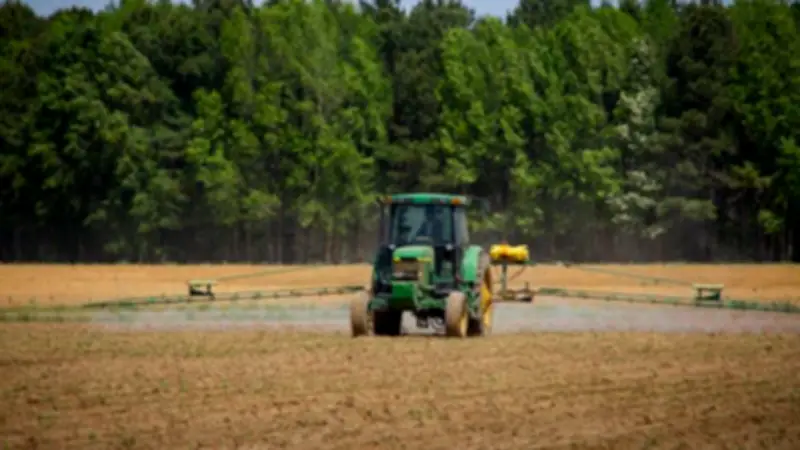
Paraquat is a non-selective herbicide that kills all vegetation it contacts. It is rapidly absorbed by leaves, where it generates reactive oxygen species that destroy cell membranes, halt photosynthesis, and ultimately kill the plant. In Australia, paraquat is widely used in broadacre cropping and spot spraying as an alternative to glyphosate. It is popular because it works on many weeds and is quickly inactivated upon contact with soil, reducing the risk of carryover to future crops. However, the same reactive oxygen species that kill weeds make paraquat acutely toxic to humans. Inhalation, ingestion, or skin/eye contact can cause irritation, burns, multiple organ failure, and death.
Due to its toxicity, many countries have banned paraquat. The European Union banned it in 2007, and China stopped domestic sales and use in 2016. In the United States, only trained, certified applicators may use it. In Australia, paraquat is classified as a Schedule 7 poison, meaning it is a dangerous substance with high potential for harm at low exposure levels. Its purchase, possession, and use require special authorization, and it is formulated with a distinctive blue or green color and an unpleasant odor. It is not approved for home garden use.

Why Has Paraquat Been Linked to Parkinson's?
Parkinson's disease is a progressive movement disorder characterized by rigid muscles, reduced mobility, tremors, and instability. While no single cause is known, risk factors include aging, lifestyle factors, and environmental exposures such as air pollution and pesticides. Paraquat is structurally similar to MPTP (1-methyl-4-phenyl-1,2,3,6-tetrahydropyridine), a molecule that can cause Parkinson-like brain lesions when taken up by dopamine-containing neurons. Since paraquat damages cells through oxidative stress, it might theoretically damage dopamine neurons. However, paraquat cannot cross the blood-brain barrier via the dopamine transporter, raising questions about how it could cause brain damage.
How Strong Is the Evidence?
Despite the structural similarity to MPTP, well-conducted animal studies with paraquat have not consistently shown an increased risk of Parkinson's. Some researchers question whether the route of administration in animal studies (injection into the abdominal cavity) applies to humans, who are typically exposed through skin contact, inhalation, or accidental ingestion—routes that result in lower absorption and greater breakdown. Studies in which mice drank paraquat have produced conflicting results.
Epidemiological evidence from humans exposed in industrial or agricultural settings also does not provide clear evidence of an increased risk. For example, a study of workers in paraquat production facilities found no elevated Parkinson's risk even among those with moderate to high exposure. While several studies have linked pesticide use in general to Parkinson's, pinpointing a specific pesticide or herbicide has proven difficult. Some individual studies have suggested a link between paraquat and Parkinson's, but meta-analyses of the entire body of evidence do not support a definitive causal relationship. A recent meta-analysis of broad epidemiological studies reached the same conclusion.
What Is the Take-Home Message?
The weight of evidence from animal experiments and human epidemiological data suggests that it is unlikely that paraquat exposure increases the risk of Parkinson's disease in farmers, agricultural workers, or the general public. Based on current evidence, while paraquat is highly toxic to humans, it does not cause Parkinson's disease.