RACQ Launches Groundbreaking Teen Driving Program Amid Alarming Road Safety Statistics
Queensland's peak motoring body RACQ has launched an unprecedented driving course designed specifically to help parents train teenage drivers, following shocking new data that reveals three-quarters of young drivers speed and more than half use mobile phones while operating vehicles.
The initiative comes as Queensland battles its worst road toll in 16 years, with 308 fatalities recorded in 2025 alone. The RACQ's 2025 Road Safety Survey paints a concerning picture of young driver behavior, with 76 percent of respondents aged 18-24 admitting to driving above speed limits, 62 percent driving while fatigued, 52 percent operating vehicles with mobile phones in hand, and 29 percent driving under alcohol influence.
Parental Guidance Gap Exposed
Despite 82 percent of learner drivers receiving most instruction from family members rather than professionals, 80 percent report feeling more confident with professional instructors. This disconnect highlights a critical gap in Queensland's driver education system that the new program aims to address.

"For many parents, supervising a learner driver can be a genuinely daunting experience," said RACQ coaching and development specialist Tiffany Boyd. "While teens are taught how to handle the car, adults are often left to handle the stress on their own. We wanted to create a practical program that aims to take the pressure off parents teaching teens and ensure young drivers develop the skills and mindset they need to stay safe."
The Coaching Lane Program Structure
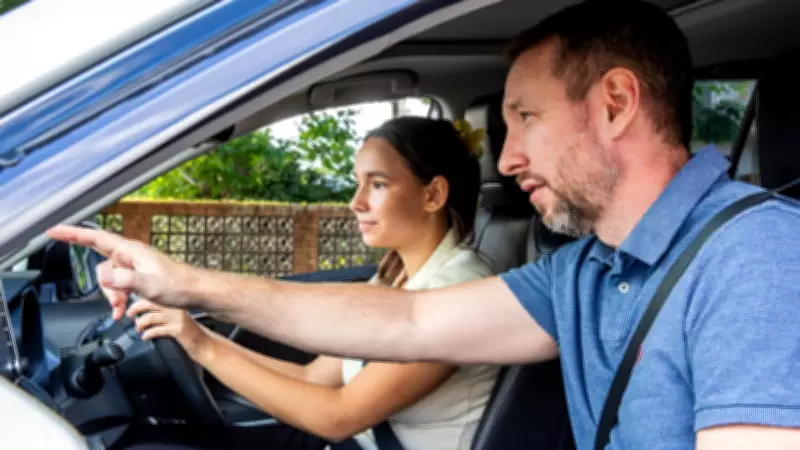
The newly launched Coaching Lane teenage driving course, developed in consultation with parents who understand the reality of teaching from the passenger seat, offers both online and in-person modules. A central focus will be encouraging meaningful discussions about road safety between supervisors and learners.
"The course will aim to teach strategies that encourage meaningful conversations about road safety, shaped by what Queenslanders have told us they want and need," Ms Boyd explained.
Road Safety Crisis Demands Action
RACQ Managing Director and Group CEO David Carter emphasized the urgent need for change in Queensland's road safety culture. "The status quo is not working. We cannot continue to accept this level of road trauma as inevitable or unavoidable," Mr Carter stated.
"Only a strong program of behavior change, greater data transparency and bold policy reform will reverse this alarming trajectory. Governments have a critical role, but they cannot do it alone. Every road user must take responsibility for their behavior behind the wheel."
The alarming road toll figures represent a stark reversal of pre-COVID safety trends, with RACQ estimating the toll should be closer to 200 if previous improvements had continued. Instead, three of the past four years have recorded fatalities at or above 300, numbers not seen since the early 2000s.
Statistical Reality of Queensland Roads
The social cost of road trauma is estimated to have cost Queensland more than $37.5 billion between 2020 and 2024 alone, with 40,873 people suffering fatal or serious injuries that have permanently altered thousands of lives.
RACQ's data reveals several concerning patterns:
- Young Queenslanders aged 15-24 are 60 percent more likely to crash than older drivers
- Road trauma is the second leading cause of death for this age group
- Between 2019 and 2024, 444 fatalities involved a young driver aged 16-24
- 223 of those victims were on their provisional plates
- Male drivers account for more than 70 percent of road fatalities annually
- Motorcyclists, despite representing just 4 percent of vehicles, accounted for over 26 percent of road deaths in 2024
Parental Perspective: "Flying Blind"
Brisbane father Mike Louchart, who is teaching his third child to drive, has signed up to support RACQ's new program. "Even though Ella is the third child I've taught to drive, that moment of surrendering control from the passenger seat is still nerve-racking," Mr Louchart admitted.

"I put my hand up to help because I know how little guidance exists for parents teaching their children to drive. I'm on my third child, and I still question whether I'm instilling the right, safe driving habits."
The program teaches five critical strategies:
- Treating every drive as a structured lesson rather than just a trip
- Choosing destinations and routes beforehand based on skill level
- Building trust through calm responses in stressful situations
- Introducing varied driving conditions early (night, wet weather, high-traffic)
- Creating a supportive coaching environment focused on small wins
"I know the road rules, I know I'm a safe driver – but translating instincts into structured lessons that build safe habits is another skill altogether," Mr Louchart reflected. "If a program like this had been available when my older children were learning, I would have absolutely taken part. Most of us are really flying blind."
The RACQ initiative represents a comprehensive approach to addressing Queensland's road safety crisis, combining practical education for young drivers with much-needed support for the parents who serve as their primary instructors during the crucial learning period.