Sea Turtle Jelly Finds Safe Haven on Mainland After Pre-Cyclone Evacuation
In a heartwarming tale of wildlife protection, a sea turtle named Jelly has been enjoying an unexpected mainland staycation after being evacuated from the Cairns Aquarium ahead of a threatening cyclone. The evacuation, part of proactive measures to safeguard marine life, underscores the dedication of conservationists in ensuring the safety of vulnerable species during extreme weather events.
Evacuation Efforts and Safety Protocols
The decision to relocate Jelly was made as authorities monitored an approaching cyclone that posed significant risks to coastal areas in Cairns, Queensland. Staff at the Cairns Aquarium swiftly implemented emergency protocols, moving the sea turtle to a secure inland facility to prevent potential harm from storm surges or power outages. This move highlights the critical role of aquariums and wildlife centers in disaster preparedness, often going beyond public exhibits to actively protect their inhabitants.
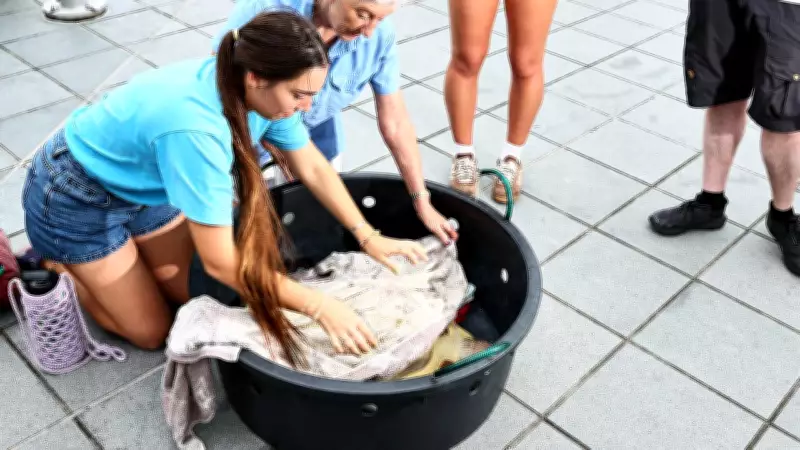
Jelly's journey involved careful transportation in a specialized container designed to mimic natural ocean conditions, ensuring minimal stress during the transition. Veterinarians and marine biologists closely monitored the turtle's health throughout the process, emphasizing the importance of tailored care for such sensitive creatures.

Mainland Staycation and Conservation Insights
Since arriving at the mainland facility, Jelly has been thriving in a temporary habitat that replicates the turtle's usual environment, complete with controlled water temperatures and ample space for swimming. This staycation has provided a unique opportunity for researchers to observe the sea turtle's behavior in a different setting, offering valuable insights into adaptation and stress management in captive marine animals.
The experience has also sparked discussions about broader conservation strategies, particularly in regions prone to cyclones and other natural disasters. Experts note that such evacuations are becoming more common as climate change increases the frequency and intensity of extreme weather, necessitating robust contingency plans for wildlife sanctuaries.
- Enhanced monitoring of Jelly's health and activity levels.
- Collaboration with local conservation groups to share best practices.
- Public engagement through updates on Jelly's well-being, raising awareness about marine protection.
Broader Implications for Wildlife and Community
This incident sheds light on the interconnectedness of wildlife conservation and community resilience. By prioritizing Jelly's safety, the Cairns Aquarium has demonstrated a commitment to ethical stewardship, setting an example for other institutions. The successful evacuation and staycation have been met with positive feedback from the local community, many of whom have followed Jelly's story through social media and news reports.
Looking ahead, plans are in place to return Jelly to the Cairns Aquarium once the cyclone threat has fully passed and conditions are deemed safe. In the meantime, the sea turtle continues to enjoy its mainland retreat, serving as a symbol of hope and perseverance in the face of environmental challenges. This story not only highlights individual animal care but also emphasizes the ongoing need for investment in wildlife infrastructure and disaster response capabilities across Australia.