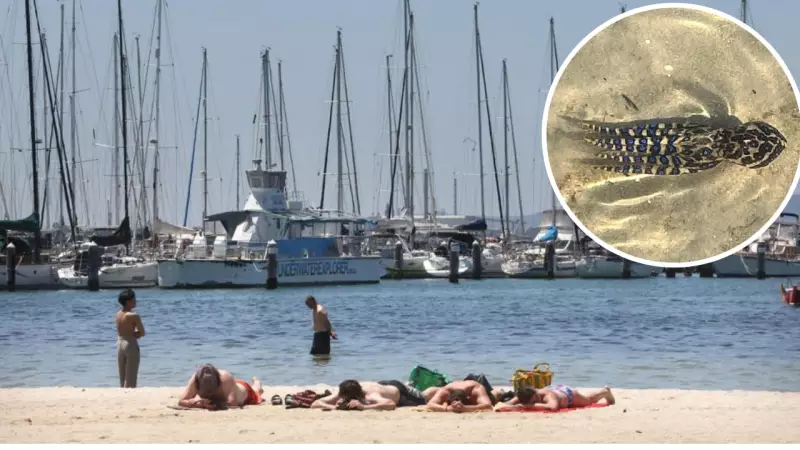
A potentially deadly encounter was narrowly avoided at a popular Victorian beach this week after a highly venomous blue-ringed octopus was discovered lurking in the shallow waters, just metres from where children were playing.
Close Call in the Shallows
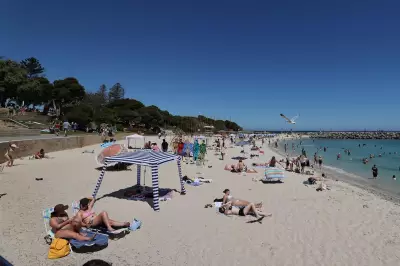
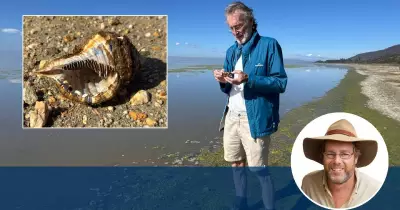
The alarming sighting occurred at Eastern Beach in Geelong, a favourite spot for families. A local resident, who was walking along the beach on Monday, April 8, spotted the small but lethal creature in water so shallow it was almost exposed. The octopus was moving across the sand and rocks near the iconic swimming enclosure.
The witness immediately alerted nearby parents and children to the danger. The octopus's distinctive, pulsating blue rings serve as a stark warning of its potent neurotoxin, which is powerful enough to paralyse and kill a human. There is no known antivenom.

Experts Issue Stern Warning
Marine biologists and lifesaving authorities have reiterated the critical importance of the 'look, don't touch' rule for all Australian marine life. The blue-ringed octopus (Hapalochlaena) is one of the world's most venomous marine animals. Its bite is often painless, but the toxin, tetrodotoxin, can cause respiratory failure within minutes.
"They are beautiful but incredibly dangerous," said a marine expert familiar with Port Phillip Bay. "They often hide in empty shells, bottles, or under rocks, so people, especially children, can accidentally disturb them." The expert confirmed that while the octopus is not aggressive, it will bite if provoked or handled.
Authorities advise that if someone is bitten, the urgent steps are:
- Call Triple Zero (000) immediately for an ambulance.
- Apply a pressure immobilisation bandage to the bite site.
- Be prepared to perform CPR, as the venom paralyzes the muscles required for breathing.
A Call for Increased Vigilance
This incident serves as a crucial reminder for beachgoers across Australia, particularly as the weather cools and marine creatures may seek shelter in different areas. Eastern Beach is a constructed seaside precinct with a swimming enclosure, promenade, and diving board, making it a hub for family activity.
Lifesaving Victoria and local councils often place signage warning of marine hazards, but personal vigilance is paramount. Experts recommend wearing sturdy footwear when exploring rock pools and shallow areas and carefully checking any objects before picking them up.
The sighting has been reported to local authorities. While such encounters are relatively rare, the consequences can be fatal. The community is urged to enjoy the beautiful coastline with respect and a heightened awareness of the potentially deadly wildlife that shares it.