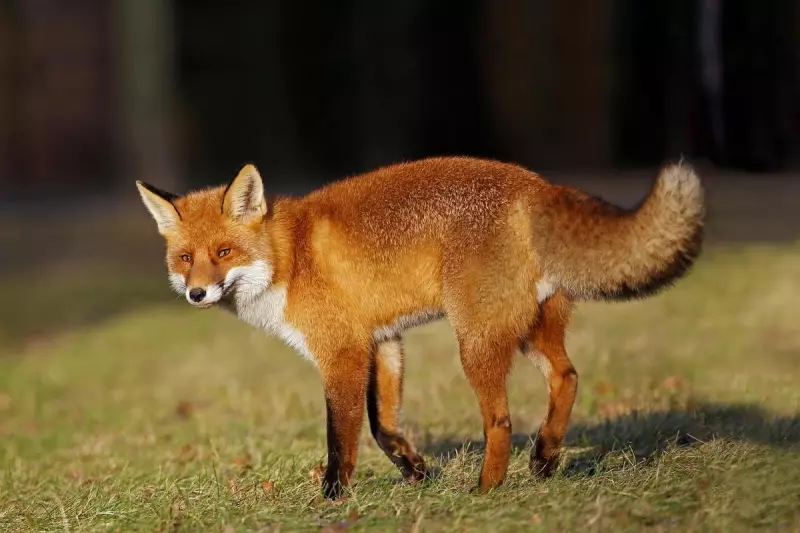
The City of Cockburn is holding firm on its current fox control strategy, rejecting calls for an immediate overhaul from residents worried about the impact on local turtles. Officials argue it is premature to change methods before the results of a new, coordinated fox population study are known.
Community Calls for Effective and Transparent Program
At a council meeting on December 9, 2025, Collbellup resident Jane Di Sabato presented community-gathered data urging the council to act. She cited 502 documented turtle deaths since 2023 and ongoing fox sightings averaging 250 per month as evidence the existing program is failing.
"The community deserves a fox management program that’s effective, transparent and accountable," Ms Di Sabato told the council. She questioned why the city persisted with a program she claimed had achieved only a 5 per cent reduction in foxes, when state authorities advise effective control requires at least 75 per cent removal.

Council Awaits Data from New Fox Survey
In response, City director sustainable development and safety Dan Arndt stated the city would wait for data from the Perth South West Metropolitan Alliance (PSWMA) monitoring program before considering any changes. This project involves 18 cameras across Cockburn, Melville, and Kwinana to identify fox activity levels.
"Then the city can look at if there are any necessary adjustments that need to be made," Mr Arndt said. He challenged the accuracy of the turtle death figures, noting that WA Wildlife advised many of the 502 carcasses found in a 2023 lakebed survey had likely been dead for years.
"It is therefore highly inaccurate to report that there have been 502 deaths since 2023," Mr Arndt asserted, adding similar explanations had been provided at multiple council meetings throughout the year.
Funding, Challenges and the Path Forward
The city has invested significantly in fox control, spending $37,653 in the 2024-25 financial year and allocating $50,000 for 2025-26. An additional $40,000 was contributed to the PSWMA's camera study.
However, control efforts face practical hurdles. The city's contractor reported removing only five foxes from Bibra Lake during night patrols in August and September. A recent update noted that daytime control in reserves was often unsafe due to the high number of bushwalkers and dogs off-lead.
Ms Di Sabato countered the council's stance on the evidence, stating that not all photographic proof of foxes or turtle carcasses was old. "They’re within the last two years and they’re clearly marked by fox predation," she said.
The debate highlights the tension between immediate community action and council-led, data-informed policy. The outcome of the PSWMA fox population survey is now pivotal for the future of feral animal management in Perth's southern suburbs.