Canberra residents are raising the alarm over a disturbing and quiet disappearance, asking a simple but chilling question: where have all the birds gone? In a series of letters to the editor, locals from suburbs like O'Connor report a dramatic decline in once-common birdlife, warning of an ecological catastrophe unfolding in plain sight.
A City Losing Its Dawn Chorus
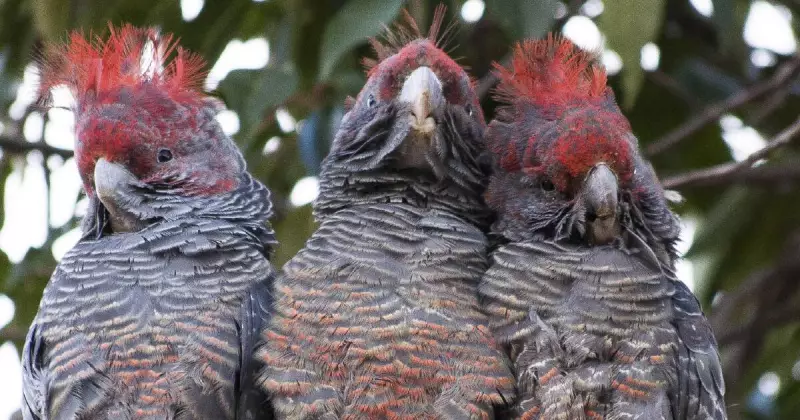
James Lennane of O'Connor paints a vivid picture of loss. He asks where the grand, noisy flocks of raucous sulphur-crested cockatoos have vanished to and why the iconic dawn and dusk chorus of magpies has grown faint. He notes that even a neighbour's racing pigeons no longer trace their familiar patterns across the sky.
"Yes, there's a cocky here, a magpie there - but not in anywhere the numbers Canberra is used to," Lennane writes. He observes that when he raises the issue, people pause and realise he is right, suggesting the gradual demise has slipped by unnoticed amidst other concerns. He challenges readers: "When was the last time you heard the dawn chorus in Canberra?"

Broader Concerns: From Global Politics to Local Schools
The concern over Canberra's silent spring is echoed by a range of other pressing issues debated by readers. Doug Hurst of Chapman defends recent US foreign policy actions, arguing the world ignored Venezuelan leader Nicolás Maduro's repression and crimes for too long. He criticises automatic opposition to US moves, drawing a moral distinction with actions by Russia and China.
Fears of a potential second Trump presidency are starkly articulated by Jenny Goldie of Cooma. She echoes columnist Crispin Hull's warnings, describing Donald Trump as "the most corrupt, incompetent, and psychologically unfit president in American history" and expressing deep anxiety over his alignment with figures like Putin and Netanyahu.
ACT Education Policy Under Fire
Closer to home, Steve Thomas of Yarralumla criticises ACT Education Department policies outlined in a recent article. He argues that plans to reduce student intakes at popular schools to prop up others is a flawed strategy. "One would think that by now someone in the department would have thought it better to put extra resources into assisting those schools to improve," he writes, warning that the policy will simply drive more parents to the private sector.
Other letters touch on calls for a royal commission into anti-Semitism, with John Sandilands of Garran questioning the motives and timing behind such a move. On the conflict in Gaza, Joe White of Thornlands argues that the dire humanitarian situation is now a problem of distribution, not supply, exacerbated by Hamas's control and militarisation of the strip.
To The Point: Pithy Community Commentary
The column also features shorter, sharp observations from the community:
- Mark Sproat of Lyons questions the expertise of Albanese's key ministers.
- Leon Arundell of Downer warns of the national security risk of military hardware that can be remotely disabled.
- Fred Pilcher of Kaleen asks ominously, "who's next?" after the US involvement in Venezuela.
- Caroline Graham of Cromer challenges the assertion that "Hamas started the war," pointing to the long-standing Israeli blockade.
- Keith Hill of New Acton turns the tables on Trump's plan to "run Venezuela," asking who will run the USA.
Together, these letters form a snapshot of a community deeply engaged with issues from its own backyards to global stages, united by a concern for the environment, governance, and human rights. The fading birdsong in Canberra serves as a potent local symbol of wider, interconnected crises.