Western Australian beachgoers are being urged to prioritise safety and swim only at patrolled locations this Christmas, following a tragic summer that saw more than a dozen coastal drownings and an alarming number of rescues.
Patrolled Beaches Are the Only Safe Choice
With Perth forecast to swelter through a 40-degree Christmas Day, Surf Life Saving WA has issued a stark reminder to families heading to the coast. The warning comes after 13 coastal drowning deaths last summer, with every single incident occurring at an unpatrolled location away from the watch of lifesavers.
Chris Peck, General Manager of Surf Life Saving WA, emphasised the critical importance of heeding this advice. "We had an extreme number of rescues and an extreme number of drownings because people were choosing not to swim at patrolled beaches," Mr Peck stated.

High-Risk Beaches and a Critical Incident
Data from the last festive season highlights the danger. Between December 24 and January 1, lifesavers performed the most rescues at Scarborough Beach (24), followed by Trigg (15), City Beach (12), Esperance (6), Yanchep (3), and Secret Harbour (3).
The urgency of the message was underscored by a near-drowning at Trigg Beach on Tuesday night. A 12-year-old girl was pulled unresponsive from the water and remained in a critical condition in hospital on Wednesday afternoon.
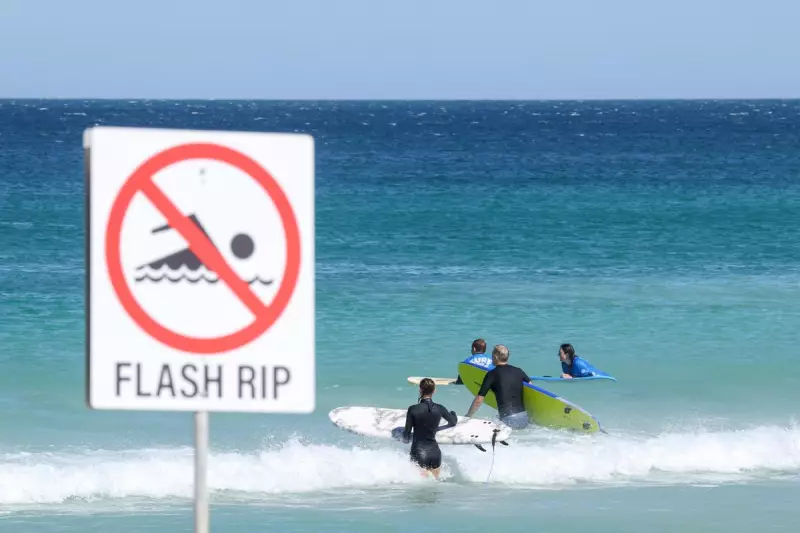
"Our message to you this Christmas is stop, look, stay alive and make sure that you follow the advice of the lifesavers," Mr Peck urged. "You choose a beach that has red and yellow flags and that you read the beach safety signage—it’s there for a reason."
How to Identify and Survive a Rip Current
Mr Peck stressed that understanding rip currents is vital for water safety, as they are a leading factor in drownings. He advised beachgoers to look for key signs:
- Deeper, darker green water.
- Sand clouding and moving out to sea.
- Areas with floating seaweed and debris but no breaking waves.
If caught in a rip, the key is to avoid panic. "The simple thing to do is... don’t panic, float and go with a rip," Mr Peck explained. "It’ll generally take you back to the shoreline, or, if you’re capable, swim across parallel to the shore and then swim back."
He reiterated that a rip won't pull you miles out to sea, but panic and exhaustion from fighting the current are what lead to tragedy.
Parents are reminded of their crucial role in supervision. "They need to make sure that their child has the capability to be in that environment, particularly when we’re talking about rips and surf," Mr Peck added. "And most importantly, they need to make sure that they’re keeping watch."
Lifesavers will be stationed at popular metropolitan and regional beaches over the festive period. The public is strongly encouraged to check patrol availability at their intended destination via mybeach.com.au/my-beach/ before they leave home.