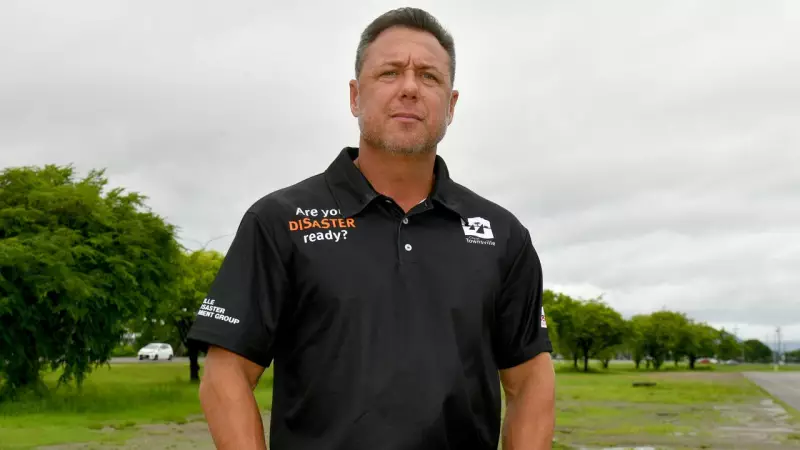
Townsville Mayor Jenny Hill has issued a stark warning to residents, declaring that the recent passage of Tropical Cyclone Kirrily was merely a 'dress rehearsal' for future, potentially more severe, weather events. While the city avoided catastrophic damage, the near-miss has highlighted critical gaps in community preparedness.
A Warning Shot Across the Bow
Speaking in the aftermath of the cyclone, which crossed the coast near Townsville on Thursday night, Mayor Hill expressed relief but emphasised the sobering lessons learned. 'We dodged a bullet,' she stated bluntly, pointing out that the system weakened significantly just before landfall. Had it maintained its intensity, the outcome could have been dramatically different for the North Queensland capital.
The mayor revealed that the event tested the city's disaster management plans and exposed areas needing improvement. Key concerns included the number of residents who were under-prepared, with many failing to secure adequate supplies or heed official warnings in a timely manner. The cyclone's trajectory and behaviour provided emergency services with invaluable real-time data, but it also served as a wake-up call for the broader community.

Analysing the Response and Community Readiness
Emergency services and local authorities worked through the night as Cyclone Kirrily brought heavy rain and strong winds. While widespread structural damage was limited, the event caused significant disruption, including power outages affecting thousands of properties. The clean-up operation is now underway, focusing on debris removal and restoring essential services.
Mayor Hill stressed that the relative good fortune this time should not lead to complacency. 'This was our practice run,' she said, urging every household to review their cyclone plans immediately. She highlighted several essential steps for residents:
- Ensuring emergency kits are fully stocked with food, water, medicine, and batteries.
- Securing properties by trimming trees and clearing loose items from yards.
- Having a clear family communication and evacuation plan.
- Closely monitoring official alerts from the Bureau of Meteorology and local disaster management groups.
The Long-Term Outlook and Call to Action
The mayor's comments align with broader climate projections suggesting that Northern Australia may face an increased frequency or intensity of tropical cyclones in certain contexts, alongside other extreme weather events. This makes robust, ongoing preparedness not just a seasonal task, but a year-round priority.
The core message from local leadership is unequivocal: Townsville's luck may not hold next time. The community's response to Cyclone Kirrily has been praised, but the experience has underscored that individual preparedness is the first and most crucial line of defence. Council and emergency services will now debrief on the response, using the 'dress rehearsal' to strengthen plans for when a more powerful system inevitably threatens the region.
For now, the immediate threat has passed, but the work to build a more resilient Townsville has taken on a new urgency. The lesson from Cyclone Kirrily is clear—prepare now, because the next storm could be the main event.