Shellharbour and Kiama Downs Drownings Trigger Urgent Safety Appeal
Emergency services have issued a critical safety appeal following recent drownings at Shellharbour and Kiama Downs beaches. The incidents have highlighted the ongoing risks associated with coastal activities, prompting authorities to urge the public to exercise extreme caution when swimming or visiting these popular locations.
Recent Incidents Prompt Warnings
In the past week, multiple drowning incidents have been reported at beaches in the Shellharbour and Kiama Downs areas. These tragic events have resulted in fatalities and serious injuries, underscoring the unpredictable nature of ocean conditions. Local authorities, including police and surf lifesaving organisations, have responded swiftly, but the frequency of these occurrences has raised significant concerns.
The drownings have occurred despite existing safety measures, such as lifeguard patrols and warning signs. This has led emergency services to emphasise that even experienced swimmers can fall victim to sudden changes in water conditions, including strong currents and rip tides.

Safety Recommendations from Authorities
In response to the drownings, emergency services have released a detailed set of safety guidelines for beachgoers. Key recommendations include:
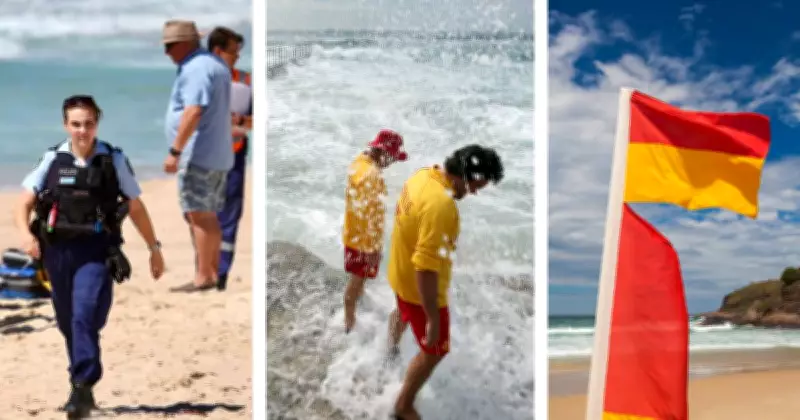
- Always swim between the red and yellow flags at patrolled beaches.
- Check weather and surf conditions before entering the water.
- Avoid swimming alone or in isolated areas.
- Supervise children closely at all times near the water.
- Learn to identify and avoid rip currents, which are a common hazard.
These measures are designed to reduce the risk of further incidents and promote a safer beach environment for everyone. Authorities have also called for increased public awareness campaigns to educate communities about water safety.
Community Impact and Response
The drownings have had a profound impact on the local communities in Shellharbour and Kiama Downs. Residents and visitors alike have expressed shock and sadness over the loss of life, with many calling for enhanced safety protocols. Community leaders have joined emergency services in urging people to take personal responsibility for their safety while enjoying the coastline.
Surf lifesaving clubs in the region have reported an uptick in volunteer interest and support, as locals seek to contribute to prevention efforts. However, authorities stress that individual vigilance remains the most effective tool in preventing drownings.
Looking Ahead: Preventing Future Tragedies
As summer approaches and beach attendance is expected to rise, the urgency of this safety appeal cannot be overstated. Emergency services plan to increase patrols and install additional warning signs at high-risk locations. They are also collaborating with local schools and organisations to implement educational programs focused on water safety.
The goal is to create a culture of safety that empowers individuals to make informed decisions when near the water. By heeding these warnings and following recommended guidelines, the public can help prevent future tragedies and ensure that beaches remain enjoyable and safe for all.