Four people have been dramatically rescued from a remote area of Queensland's outback after a harrowing ordeal that saw one member of their group walk 30 kilometres through the night to get help.
A Desperate Trek for Survival
The incident began when two men and two women, all aged in their twenties, became stranded in a remote location approximately 70 kilometres south of the town of Julia Creek. Their vehicle had become bogged in the challenging terrain, leaving them isolated and without a means of communication to call for assistance.
Facing a dire situation, one of the men in the group made the courageous decision to set out on foot to find help. He embarked on an epic solo trek, walking an astonishing 30 kilometres through the night under the vast outback sky. His gruelling journey finally brought him to an area where he could obtain a mobile phone signal, allowing him to contact emergency services at around 7:30 AM on Tuesday, 23 April.

Coordinated Emergency Response
Upon receiving the distress call, Queensland Police immediately launched a coordinated rescue operation. The information provided by the walker was crucial in locating the stranded group. A rescue team was dispatched to the remote site where the three other individuals were waiting.
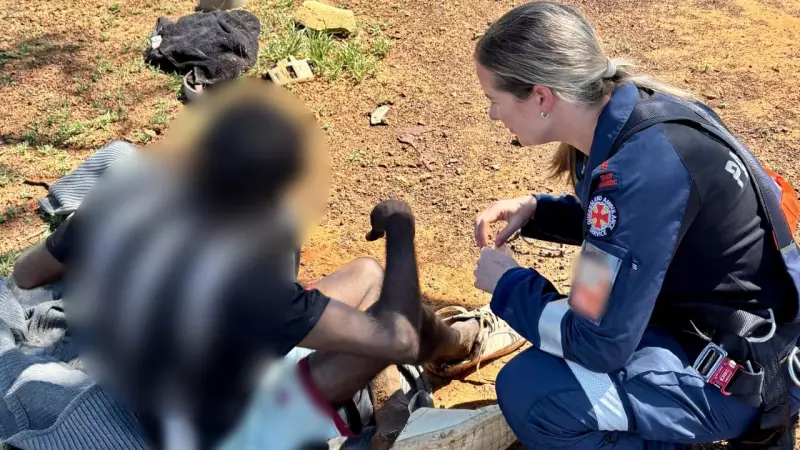
Authorities confirmed that all four people were successfully located and extracted from the outback. A Queensland Police Service spokesperson stated that the group was found safe, though undoubtedly shaken by their experience. No serious injuries were reported following the ordeal.
The rescue highlights the inherent dangers of travelling in Australia's remote outback regions, where distances are vast, mobile coverage is sparse, and conditions can change rapidly.
Lessons from the Outback
This incident serves as a stark reminder for all travellers venturing into remote areas to be meticulously prepared. Police and emergency services routinely advise motorists to:
- Carry ample supplies of food and water, far beyond what is expected for the journey.
- Ensure their vehicle is in good mechanical condition and suitable for the terrain.
- Carry multiple forms of communication, such as a satellite phone or a personal locator beacon (PLB), as standard mobile networks are often unavailable.
- Inform a reliable contact of their travel plans, including their intended route and expected time of arrival.
The actions of the walker, while demonstrating incredible resilience, also underscore the risks of leaving a stranded vehicle. Emergency services generally advise people to stay with their vehicle if bogged or broken down in a remote location, as it provides shelter and is a larger target for search parties. In this specific case, the decision to seek help on foot resulted in a successful outcome, but it is a strategy fraught with potential danger.
The successful rescue near Julia Creek is a testament to the swift action of Queensland Police and the determination of those involved. It concludes a frightening chapter for the four individuals, who are now safe after their unexpected and challenging night in the Australian outback.