Outback Mayor Slams Bureau for Flood Tracking via Text Messages
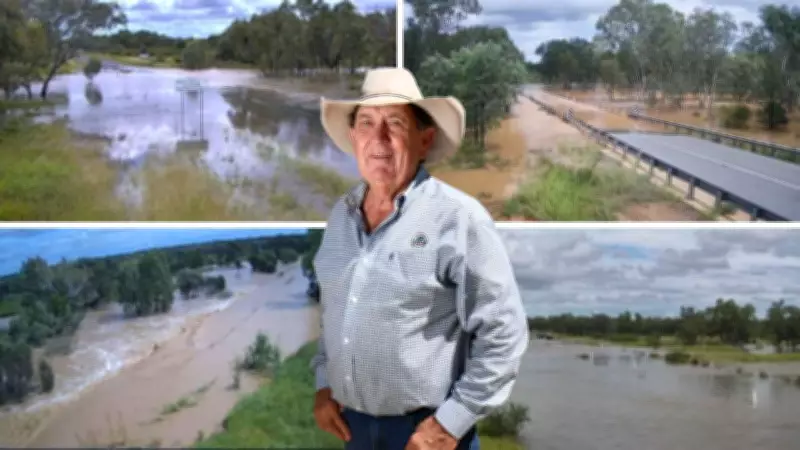
An outback mayor has launched a scathing criticism of the Bureau of Meteorology, accusing the agency of forcing him to track dangerous floods using only text messages. The mayor, who represents a remote community, described this method as grossly inadequate and potentially life-threatening for residents in isolated areas.
Inadequate Communication in Crisis Situations
The mayor expressed frustration that during recent flood events, the Bureau provided critical updates solely through SMS texts, which he argued are unreliable in outback regions with poor mobile coverage. He highlighted that this approach fails to account for the unique challenges faced by remote communities, where timely and accurate information is essential for safety and evacuation planning.
"It's a slap in the face to our community," the mayor stated, emphasising that text messages can be delayed or lost, putting lives at risk. He called for the Bureau to implement more robust communication systems, such as satellite-based alerts or dedicated radio broadcasts, to ensure all residents receive timely warnings.

Broader Implications for Remote Areas
This incident sheds light on the broader issue of disaster management in Australia's outback, where infrastructure gaps often exacerbate natural hazards. The mayor's criticism underscores the need for improved coordination between meteorological services and local governments to enhance resilience against floods and other emergencies.
Experts agree that relying on text messages alone is insufficient, especially in areas prone to severe weather. They recommend a multi-channel approach, incorporating technology like emergency alert apps and community networks, to bridge communication divides.
Calls for Systemic Change
In response, the Bureau of Meteorology has acknowledged the concerns but defended its current protocols, citing budget constraints and technological limitations. However, the mayor and other local leaders are pushing for policy reforms to prioritise funding for better disaster communication tools in remote regions.
- Implement satellite-based alert systems for real-time updates.
- Enhance collaboration with local councils for tailored warnings.
- Invest in infrastructure to improve mobile and internet connectivity in outback areas.
As climate change increases the frequency of extreme weather events, ensuring effective communication in all communities becomes ever more critical. This case highlights the urgent need for action to protect vulnerable populations across Australia.