Karumba Residents Unite as Record Floods Cut Off Remote Town for Months
In a remarkable display of resilience, the residents of Karumba, a remote town in Queensland, have come together as unprecedented floods have severed their connection to the outside world for an extended period. The flooding, described as record-breaking by local authorities, has transformed the landscape, leaving the community isolated and facing significant challenges. This natural disaster has not only disrupted daily life but also highlighted the strength and solidarity of the people in this far-flung region.
Unprecedented Flooding Causes Widespread Disruption
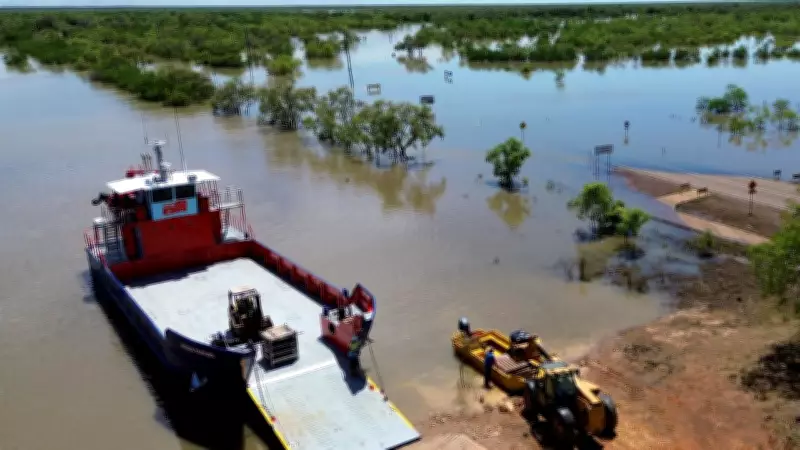
The floods in Karumba have reached historic levels, with water inundating roads and infrastructure, effectively cutting off the town from essential services and supplies. According to reports, the flooding is expected to persist for several months, making it one of the longest isolation events in recent memory for the area. Residents are grappling with limited access to food, medical care, and other necessities, as transportation routes remain impassable. The situation has prompted emergency responses, but the remote location complicates relief efforts, underscoring the vulnerability of such communities to extreme weather events.
Community Spirit Shines Through Adversity
Despite the hardships, the people of Karumba have demonstrated incredible unity and resourcefulness. Neighbors are helping each other with tasks such as sharing resources, checking on the elderly, and organizing local support networks. This community-driven response has been crucial in maintaining morale and ensuring that everyone's basic needs are met. Local leaders have praised the residents for their cooperation and determination, noting that their collective efforts are making a tangible difference in navigating this crisis. The floods have, in a way, strengthened the bonds within the town, showcasing the power of human connection in times of need.

Long-Term Implications and Recovery Efforts
As Karumba remains cut off, attention is turning to the long-term impacts and recovery plans. Authorities are working on strategies to restore access and rebuild damaged infrastructure, but the process is expected to be slow and costly. The floods have also raised concerns about climate change and its role in increasing the frequency and severity of such events in remote areas. In the meantime, residents continue to adapt, with many expressing hope that their unity will see them through until normalcy returns. This story serves as a poignant reminder of the challenges faced by isolated communities and the importance of preparedness and community support in disaster response.