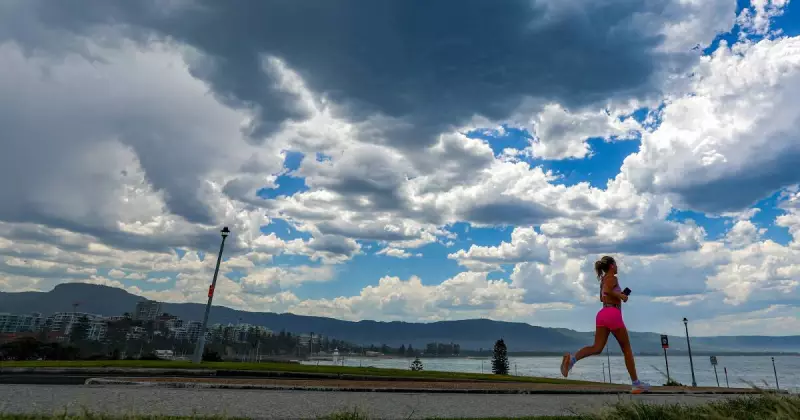
The Illawarra region is bracing for a significant and sustained drenching, with forecasters predicting up to 235 millimetres of rain could fall over the coming week. This major weather shift arrives on the heels of an extreme heatwave that gripped the area just days ago.
A Detailed Breakdown of the Coming Soaking
The wet weather is expected to commence late on Wednesday, January 14, 2026, potentially accompanied by thunderstorms. The Bureau of Meteorology indicates rainfall will intensify as the week progresses.
Thursday could see between 5 and 10mm, with Friday's totals rising to 10-20mm. Saturday is predicted to be the wettest day, with models suggesting a deluge of up to 80mm in Albion Park and Kiama, and around 40mm in Bellambi.

The persistent rain is then forecast to continue through the weekend and into Tuesday, January 19, with daily falls potentially reaching 40mm. When tallied, the cumulative rainfall predictions for the six-day period are substantial:
- Albion Park: 235mm
- Kiama: 235mm
- Jervis Bay: 220mm
- Nowra: 220mm
- Bellambi: 165mm
- High Range: 125mm
Amid the downpours, maximum temperatures are expected to be considerably milder than the recent heat, hovering in the early to mid-20s Celsius.
Warnings and Context: From Heatwave to Deluge
As of 7:30am on Wednesday, the only official warning for the Illawarra was for strong winds on Thursday. No formal rain warnings had been issued at that time, but the forecast amounts are significant.
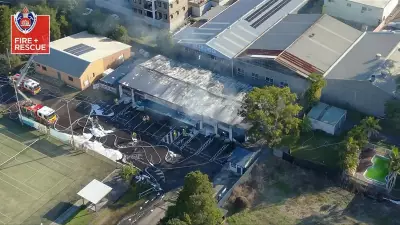
This impending week of rain presents a stark contrast to the previous week's conditions. The region endured an extreme heatwave that resulted in the deaths of approximately 650 flying foxes. Furthermore, a fast-moving grass fire ignited at the Croom Regional Sporting Complex on Monday, highlighting the rapid shift in weather extremes.
Staying Safe During the Wild Weather
Authorities are urging Illawarra residents to prepare for the changing conditions. The NSW SES advises that for assistance in floods and storms, the community should call 132 500.
Residents are also encouraged to stay informed by monitoring official updates and using tools like the free Hazards Near Me app to receive timely alerts about wild weather, floods, and fires in their local area.
This dramatic transition from scorching heat and fire risk to potential flooding underscores the volatile nature of Australia's summer weather patterns, requiring communities to remain vigilant.