Beachgoers across the Illawarra region are being urged to exercise extreme caution in the water following a terrifying series of four shark attacks along the New South Wales coast in just 48 hours. The spate of incidents, which has left two people fighting for their lives, has prompted Surf Life Saving NSW to issue a critical surf safety alert.
A Spate of Savage Attacks
The alarming sequence began on Sunday, January 18, 2026, when a 12-year-old boy was attacked by a bull shark at Vaucluse on Sydney's harbour. He suffered serious leg injuries and remains in a critical condition.
The following day, Monday, January 19, saw two separate incidents. An 11-year-old boy was knocked off his surfboard at Dee Why Beach by a shark that tore a chunk from his board. Later that evening, a man in his 20s was savagely bitten while surfing at North Steyne Beach in Manly, sustaining major lacerations to his leg. Quick-thinking fellow surfers used leg ropes as makeshift tourniquets to save his life, and he is now also in a critical condition at Royal North Shore Hospital.

The fourth attack occurred on Tuesday morning, January 20, when a 39-year-old surfer was bitten at Point Plomer, near Crescent Head on the Mid-North Coast. He is reported to be in a stable condition.
Why the Illawarra is on High Alert
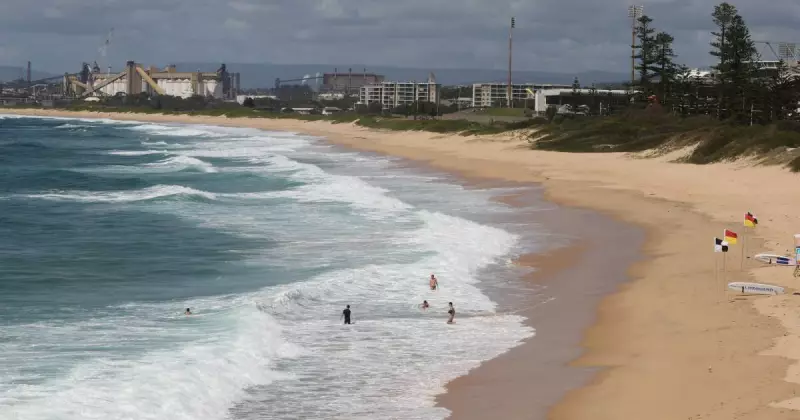
In response to the attacks and dangerous ocean conditions, Surf Life Saving NSW CEO Steve Pearce declared the turbid water and rough surf along the coast unsafe for swimming and surfing. This warning fully extends to Illawarra beaches, which have been affected by heavy weekend rainfall.
Surf Life Saving Illawarra duty officer Anthony Turner explained the heightened risk. "We've had a high amount of rainfall, it's created conditions which are murky. There's a lot of run-off and a lot of debris," Mr Turner said. These murky conditions attract bait fish and stingrays closer to shore, which in turn can draw in predatory sharks.
Mr Turner issued several key safety directives for anyone considering entering the water:
- Only swim between the red and yellow flags at patrolled beaches.
- Be particularly vigilant between dawn and dusk, when shark activity is known to increase.
- Always swim, dive, or surf with a buddy.
- Spearfishers must not attach speared fish to their bodies and should use a float to keep their catch away.
"Be alert, not alarmed. We're entering their environment and we just need to be aware," Mr Turner advised.
Local History and Mitigation Measures
The last confirmed shark attack in the Illawarra occurred over six years ago, on January 17, 2020, at Windang Beach, where surfer Wil Schroeter was bitten on the leg. Other notable encounters include a shark nudging kayakers off Fairy Meadow in 2019 and a filmed encounter with spearfishers off Bulli in 2020.
The NSW government maintains several shark mitigation strategies in the region. Shark nets are deployed at 51 beaches across the state, including seven in the Illawarra: Wattamolla, Garie, Coledale, Austinmer, Thirroul, North Wollongong, and South Wollongong. These nets are designed to reduce interactions with target species like white, tiger, and bull sharks.
Additionally, SMART (Shark-Management-Alert-In-Real-Time) drum lines are active at Stanwell Park Beach, Wollongong Beach, Shellharbour Beach, and Surf Beach in Kiama. These baited, alert-enabled devices are intended to catch and relocate large sharks near popular swimming areas.
Authorities continue to monitor the situation closely. Beachgoers are encouraged to download the free SharkSmart app for real-time alerts and to always check the Beachsafe website or app for patrol times and conditions before heading to the coast.