Atherton Shop Owners Confront Public Health Nightmare
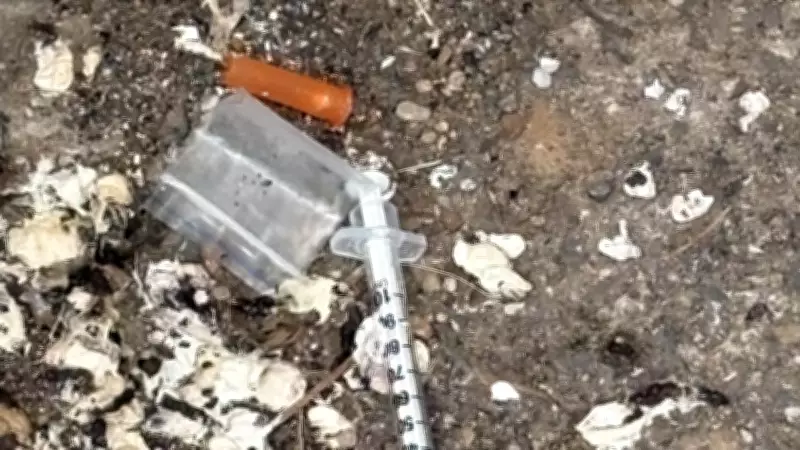
In the quiet town of Atherton, located in the Far North Queensland region, local shop owners are facing an alarming and distressing situation. They have been forced to clean up human faeces and used needles left on their properties, a problem that has escalated in recent times, causing significant health and safety concerns for the community.
Community Outrage and Health Risks
The issue has sparked widespread outrage among residents and business operators, who describe the incidents as not only unsanitary but also posing serious public health risks. Human faeces can harbour dangerous pathogens, while used needles increase the threat of needle-stick injuries and potential exposure to blood-borne diseases such as HIV or hepatitis.
Shop owners report that these occurrences are becoming more frequent, disrupting daily operations and creating an environment of fear and frustration. Many have expressed feeling abandoned by local authorities, as they shoulder the burden of cleaning up hazardous waste without adequate support or solutions.

Calls for Immediate Action
In response to the crisis, community members are calling for urgent action from local government and health departments. They are demanding increased patrols, better waste management services, and the installation of safe disposal units for needles to prevent such incidents in the future.
Some residents have suggested that this problem may be linked to broader social issues, such as homelessness or substance abuse, highlighting the need for comprehensive community support programs.
Impact on Local Businesses
The cleanup efforts are not only time-consuming but also costly for shop owners, who must invest in protective gear and professional cleaning services to ensure their premises are safe for customers and staff. This added financial strain comes at a time when many small businesses are already grappling with economic challenges.
The situation in Atherton serves as a stark reminder of the importance of maintaining public health standards in regional areas. It underscores the need for collaborative efforts between communities, businesses, and government agencies to address such issues promptly and effectively.
As the town rallies together, there is hope that with increased awareness and proactive measures, Atherton can overcome this public health nightmare and restore a sense of safety and cleanliness for all its residents.