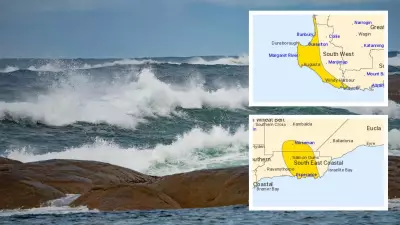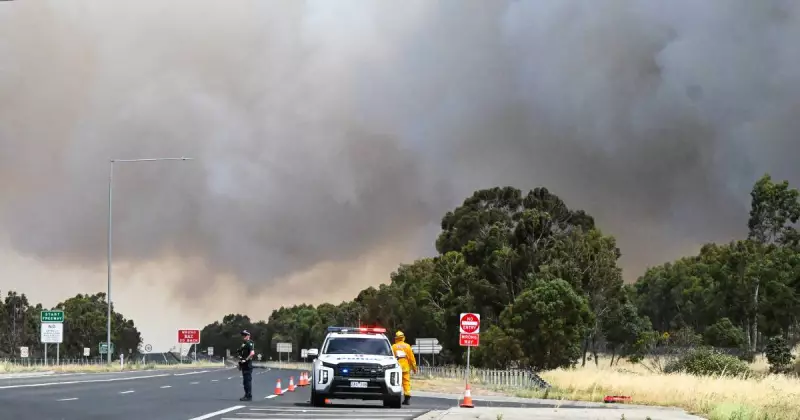
Australia is once again in the grip of a devastating summer, with communities across the nation reeling from a relentless onslaught of bushfires, heatwaves, floods, cyclones, and severe storms. The human and economic toll is profound, marked by lost lives, hundreds of millions of dollars in damage to property and infrastructure, destroyed crops and livestock, and widespread disruption to essential services.
A Worsening Threat Demands a New Approach
For many towns, the struggle to recover from past disasters is compounded by new catastrophes. Australia's natural hazard risk is intensifying due to climate change, population growth in vulnerable areas, and environmental degradation. This trajectory points toward escalating financial losses, greater impacts on physical and mental health, and rising insurance unaffordability in the years ahead.
These changes will place immense strain on fire and emergency services, which are already under pressure. Governments will face growing demands to fund reconstruction and sustain a volunteer workforce. While significant strides have been made since the Black Summer bushfires of 2019/20—including advances in the national fire danger rating system and emergency warnings—a fundamental transformation is required to meet the threat of more severe and frequent natural hazards.

Harnessing Technology and Science for Community Safety
Future bushfire seasons are predicted to be longer and more severe, with fires becoming harder to control. Technology offers a crucial edge. Space-based detection, advanced fire spread prediction software, and the future potential of drone swarms and autonomous aircraft will upscale firefighting capabilities. Meanwhile, ground-level science provides clear, life-saving guidance: research, including lessons from Los Angeles and the University of Tasmania, stresses that combustible materials must be kept at least one and a half metres away from homes in bushfire-prone areas to prevent ember attack.
Emergency warnings are also evolving. Work by Queensland University of Technology is helping agencies develop personalised, interactive map-based warnings that can communicate a fire's likely path, vital for preparing communities for "unprecedented" events with no historical benchmark.
Building Resilience from the Home to the National Level
Heatwaves remain Australia's deadliest natural hazard, with the elderly, young, sick, and pregnant most at risk. Community services play a key role in ensuring vulnerable individuals have plans to stay cool and safe. The near-miss of Cyclone Alfred in early 2025, which caused around $1.5 billion in insurance losses, was a stark wake-up call for cities like Brisbane and Perth. Research from James Cook University's Cyclone Testing Station exposed building design flaws, highlighting opportunities to improve codes.
A critical challenge is that many Australian homes were built before modern regulations. "Home hardening" measures—such as using water-resilient materials in floodplains, strengthening roofs in cyclone zones, and sealing against embers—can dramatically improve resilience. The Productivity Commission has recommended a national housing resilience strategy, advocating for grants, insurance discounts, and low-interest loans to incentivise upgrades.
Ultimately, a long-term, risk-based vision is essential. This includes:

- Investing in flood mitigation infrastructure like levees.
- Restoring vegetation in catchments.
- Avoiding new developments in high-risk areas.
- Considering the managed relocation of the most vulnerable communities, such as caravan parks with permanent residents.
- Implementing stronger engineering and enforcement to prevent floodwater driving deaths, which account for roughly 65 per cent of flood fatalities.
While emergency management capabilities have undoubtedly saved lives this summer, expert analysis concludes that our overall approach must transform. Success depends on thinking differently, drawing on evidence, expertise, and First Nations knowledge, and adopting a whole-of-community approach. With summer far from over, the challenge is immediate: Australia must prepare, not just for this season, but for a future defined by escalating natural hazards.