While humans often pride themselves on discovering economic principles, nature has been practising sophisticated resource management for millions of years, and arguably with greater efficiency. The intricate relationship between plants and animals serves as a prime example of this natural economics, where both parties engage in a mutually beneficial exchange that has evolved over eons.
The Evolutionary Partnership Between Plants and Animals
At its core, this partnership revolves around a simple yet profound exchange: plants seek to propagate their seeds, while animals seek nourishment. Over countless generations, an elegant arrangement has developed where animals act as distribution agents for plants, with fruit serving as the currency of payment. This system highlights the deep connections between ecology and economics, both focused on the movement and utilisation of resources within a system.
How Plants Advertise Their Fruit
To maintain this beneficial relationship, plants have developed clever strategies to attract their animal customers. Fruit is often adorned with vibrant, "eat me" colours that signal ripeness and nutritional value. However, before seeds are fully developed, these colours can change to indicate "not yet, come back soon," ensuring animals return at the optimal time for seed dispersal.

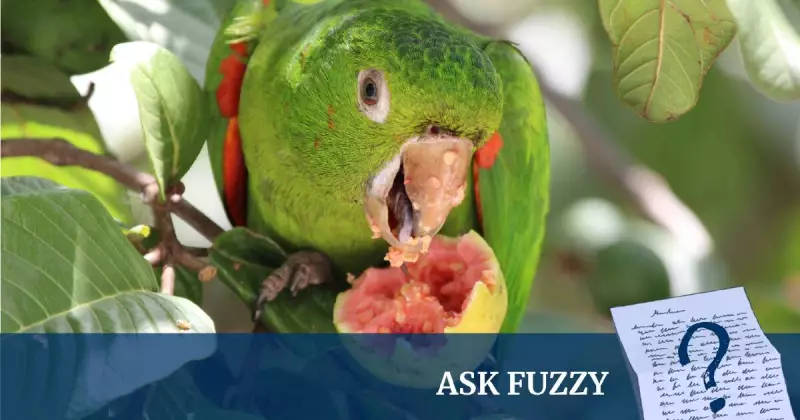
Animals, finely tuned to these signals through evolution, learn to recognise which fruits are best to eat and when to visit specific plants. They play a crucial role in seed dispersal by either carrying fruit to new locations and dropping seeds along the way, or by consuming seeds along with the fruit and later depositing them in nutrient-rich environments.
Protecting the Seed: Nature's Defence Mechanisms
Throughout this process, plants must protect their seeds from damage to ensure successful propagation. They employ several defence strategies to achieve this. One common method is encasing seeds in tough, indigestible coatings that animals cannot easily bite through or digest. Another, more widespread tactic involves making the seeds themselves unpalatable, typically through a bitter taste.
This bitterness serves as a sufficient deterrent for most animals, preventing them from consuming the seeds. However, some plants take this protection further by producing toxic seeds. Consumption of these seeds can cause anything from mild digestive discomfort to severe illness or even fatality, teaching animals through negative reinforcement to avoid them in the future.
Surprising Examples of Toxic Seeds in Common Fruits
Several familiar fruits harbour surprisingly toxic seeds. Apple, cherry, and pear seeds contain amygdalin, a compound that can release cyanide when metabolised. Cyanide is a fast-acting, potentially deadly poison that affects cellular respiration. Mango seeds contain urushiol, the same irritant compound found in poison ivy, which can trigger allergic reactions and, in rare cases, lead to dermatitis or digestive distress.
Fortunately, in most cases, it would be difficult for humans or animals to consume enough of these seeds to cause serious harm, but their toxicity serves as an effective evolutionary deterrent against seed predation.
Learning and Adaptation in the Natural World
Animals demonstrate remarkable learning capabilities when it comes to distinguishing safe from dangerous foods. There are numerous documented instances where native species have quickly adapted to newly introduced plants, learning which parts to eat and which to avoid. This ongoing process of adaptation and learning contributes to the co-evolution of both plants and animals, creating relationships that extend beyond single species interactions.
Humans have become significant contributors to this evolutionary dance. Initially through encouraging favourable plant species, and now through selective breeding and genetic manipulation, we continue to shape these natural relationships in profound ways.
The intricate dance between plants and animals reveals nature's sophisticated approach to resource management and mutual benefit. From colourful fruit advertisements to bitter seed deterrents, these evolutionary strategies demonstrate how life forms have developed complex economic systems long before human economics emerged.