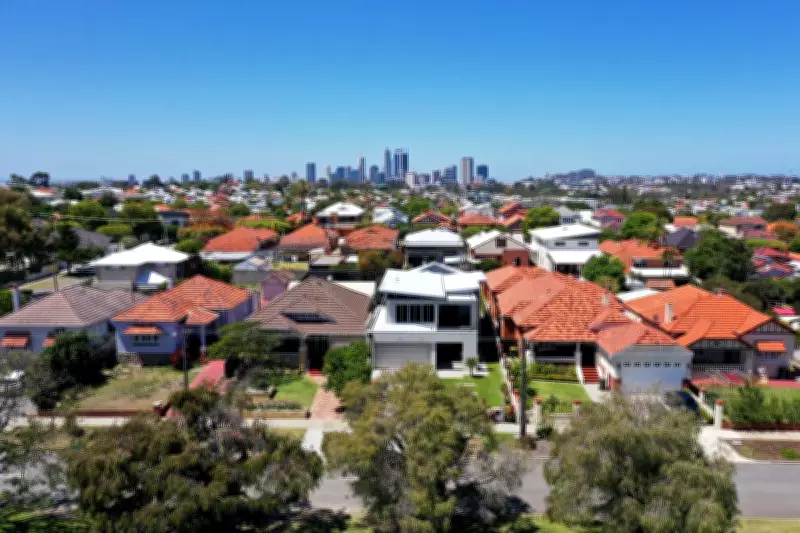
Perth's City of Melville Votes to Ban Artificial Turf on Roadside Verges
The City of Melville council has taken a decisive step towards environmental sustainability by voting unanimously to ban artificial turf on roadside verges within its jurisdiction. This significant decision was made during the city's annual general meeting of electors on February 2, 2026, and is set to reshape the landscape of Perth's southern suburbs.
Unanimous Decision and Policy Implications
Attendees at the meeting voted without dissent to prohibit the use of synthetic turf on council-owned verges, though the ban will not extend to private property. The city's current verge treatment policy, which previously allowed artificial turf under specific conditions such as requiring it to be green, is now slated for review this year. City CEO Gail Bowman confirmed that the policy revision is already scheduled, with the electors' motion to be formally considered by councillors at their February 17 meeting.
Bowman emphasized that while artificial turf has been permitted, the city's preference has always been for natural turf or vegetation to enhance cooling and biodiversity. She noted that synthetic turf had only been used on a limited number of city-owned verges in high-traffic areas where natural grass could not be maintained, a practice that has since been discontinued.

Environmental Concerns Drive the Ban
The push for the ban was strongly advocated by Melville resident Emma Charlton, recognized as the community citizen of the year in 2025 for her environmental sustainability work. Charlton argued that allowing artificial turf contradicts the city's objectives regarding climate resilience, biodiversity, and urban cooling.
"Numerous studies show that synthetic turf can reach surface temperatures far higher than natural grass or vegetated surfaces," Charlton stated. "Research by CSIRO and international studies have found artificial turf can exceed 60C-70C on warm days compared with much lower temperatures for living vegetation."
She highlighted several critical issues with synthetic turf:
- It provides no cooling benefits, unlike living vegetation which helps mitigate urban heat.
- It offers no habitat, food sources, or ecological function for insects, birds, and wildlife.
- There are concerns about microplastics leaching into soils and waterways.
Charlton stressed that verges are valuable public land where councils can directly increase urban greenery and tree canopy, treating them as living environmental assets rather than decorative spaces.
Broader Context in Perth
Melville's move is part of a wider trend in Perth as local governments reassess artificial turf policies. Other councils have implemented similar restrictions:
- The City of Cockburn requires property owners to obtain approval if they wish to install synthetic turf or hard surfaces over more than 25% of their verge.
- The Town of Claremont council unanimously rejected a proposal in 2024 to allow sustainable artificial turf on verges, with then-mayor Jock Barker citing resident opposition and environmental unfriendliness.
- The City of Joondalup has classified synthetic turf as a hardstand since 2015, limiting its installation to 50% of a resident's verge area.
This collective shift underscores growing awareness of the environmental impacts of artificial turf and a preference for natural solutions in urban planning.